Roof Maintenance
How Gutters Protect Your Roof (and What It Costs When They Fail)
By David Blackwell · July 5, 2026 · 10 min read
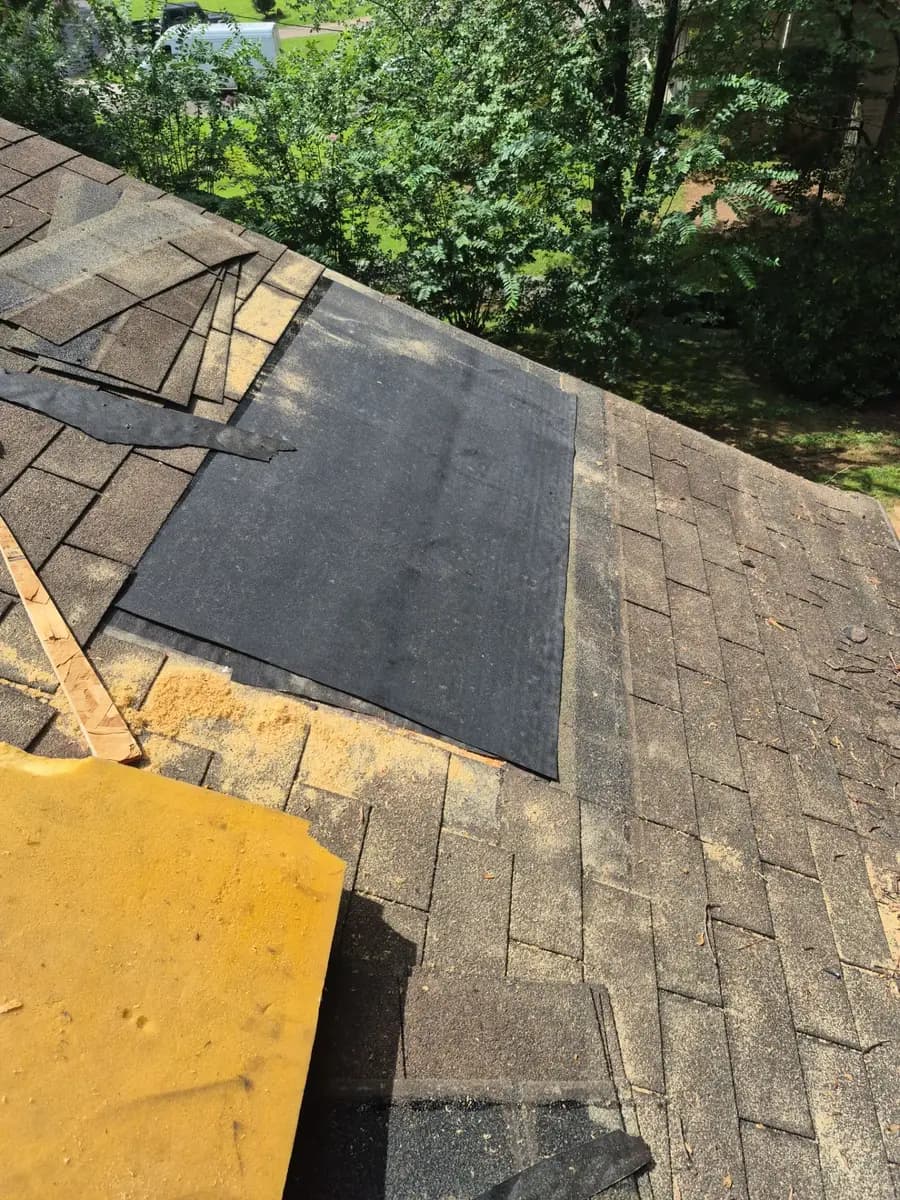
Most people never think about their gutters until water is running down the side of the house or a chunk of soft, dark wood falls off the roof edge. I run the crews at Platinum Roofing, and I can tell you that a surprising number of the rotted fascia boards and ruined roof edges we replace across Canton and North Atlanta started as nothing more than a clogged or undersized gutter. Gutters are the least glamorous part of a roof, but they quietly do some of the most important work on your home.
Here is the number that changes how people see it. One inch of rain falling on an average 2,000 square foot roof produces roughly 1,250 gallons of water. North Georgia gets around 50 to 55 inches of rain a year, so your roof is shedding somewhere near 65,000 gallons annually. Every drop of that has to go somewhere, and your gutters are the only thing deciding whether it lands safely away from the house or straight into your foundation.
What Gutters Actually Do for Your Roof
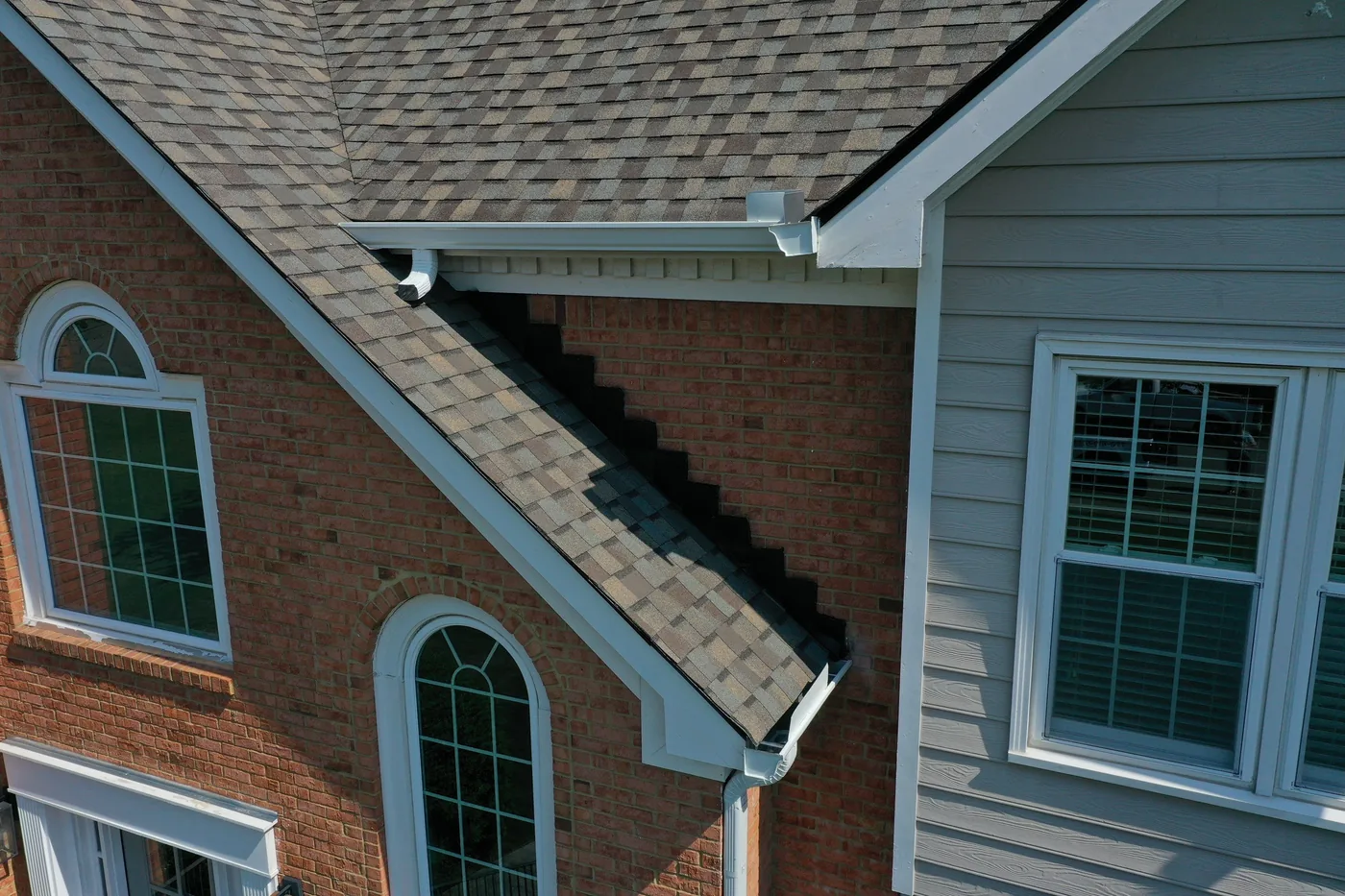
A gutter system has one job: catch the water coming off the roof and carry it, through the downspouts, far enough away from the house that it cannot soak into the wood or the ground next to your foundation. When that system works, you never notice it. When it fails, the damage does not stay in the gutter. It climbs into the parts of your home that are genuinely expensive to fix.
Here is the chain reaction we see over and over on service calls:
Notice that the roof itself is a victim here, not the cause. When water spills behind a failing gutter, the first thing it hits is the fascia, the wood trim board that closes off your roof edge and that the gutter is screwed into. Once that board goes soft, it can no longer hold the gutter, so the gutter starts to sag and pull loose, which makes the overflow worse. Behind the fascia sits the edge of your roof decking, and that is when a gutter problem officially becomes a roofing problem that needs roof repair.
What Each Stage of Neglect Costs
I am not going to tell you gutters are exciting. But the reason we push homeowners to take them seriously is simple: the cost of catching the problem early is a rounding error compared to the cost of catching it late. Here is roughly what each stage runs in our area.
A twice-a-year cleaning, or a good set of gutter guards, is the cheapest insurance you will ever buy on your home. A foundation and basement fix is the kind of bill that ruins a year. Everything in between is the roof edge slowly paying the price for water that was never carried away properly.
Why Seamless Beats Sectional in Our Climate
If you are replacing gutters, the single biggest quality decision is seamless versus sectional. We fabricate seamless gutters on-site from one continuous coil of aluminum, cutting each run to the exact length of your roofline. The only joints are at the corners and the downspout outlets. Old sectional gutters, the kind sold in ten foot pieces at the hardware store, are seamed every ten feet, and every one of those seams is a future leak as the sealant bakes and cracks in the Georgia sun. Eliminating the seams eliminates the most common way a gutter fails.
We use aluminum because it fits our region: it will not rust like steel, and it is far lighter and more affordable than copper while modern baked-on finishes hold their color for decades. It also lets us color-match the gutters to your fascia and trim so they disappear into the architecture instead of standing out.
Size Matters More Than Homeowners Think
Here is a mistake we correct constantly. Builders love to hang the smallest, cheapest gutters that technically fit, usually a 5-inch profile with narrow downspouts. That is fine until one of our classic summer storms drops an inch of rain in under an hour. As we covered earlier, that is more than a thousand gallons an hour off an average roof, and an undersized gutter simply cannot carry it. The water sheets over the front lip or backs up behind the gutter, and you are right back to square one on that failure chain above.
Our standard is 6-inch K-style gutters paired with oversized downspouts, either 3x4 corrugated or 4-inch round, which move substantially more water than the builder-grade default. We also place the downspouts based on where the water actually loads on your roof, not just where they look tidy, so no single run is asked to carry more than it can handle. Proper sizing is a calculation based on roof area, roof pitch, and our local rainfall intensity, not a guess.
Gutter Guards and the North Georgia Tree Canopy
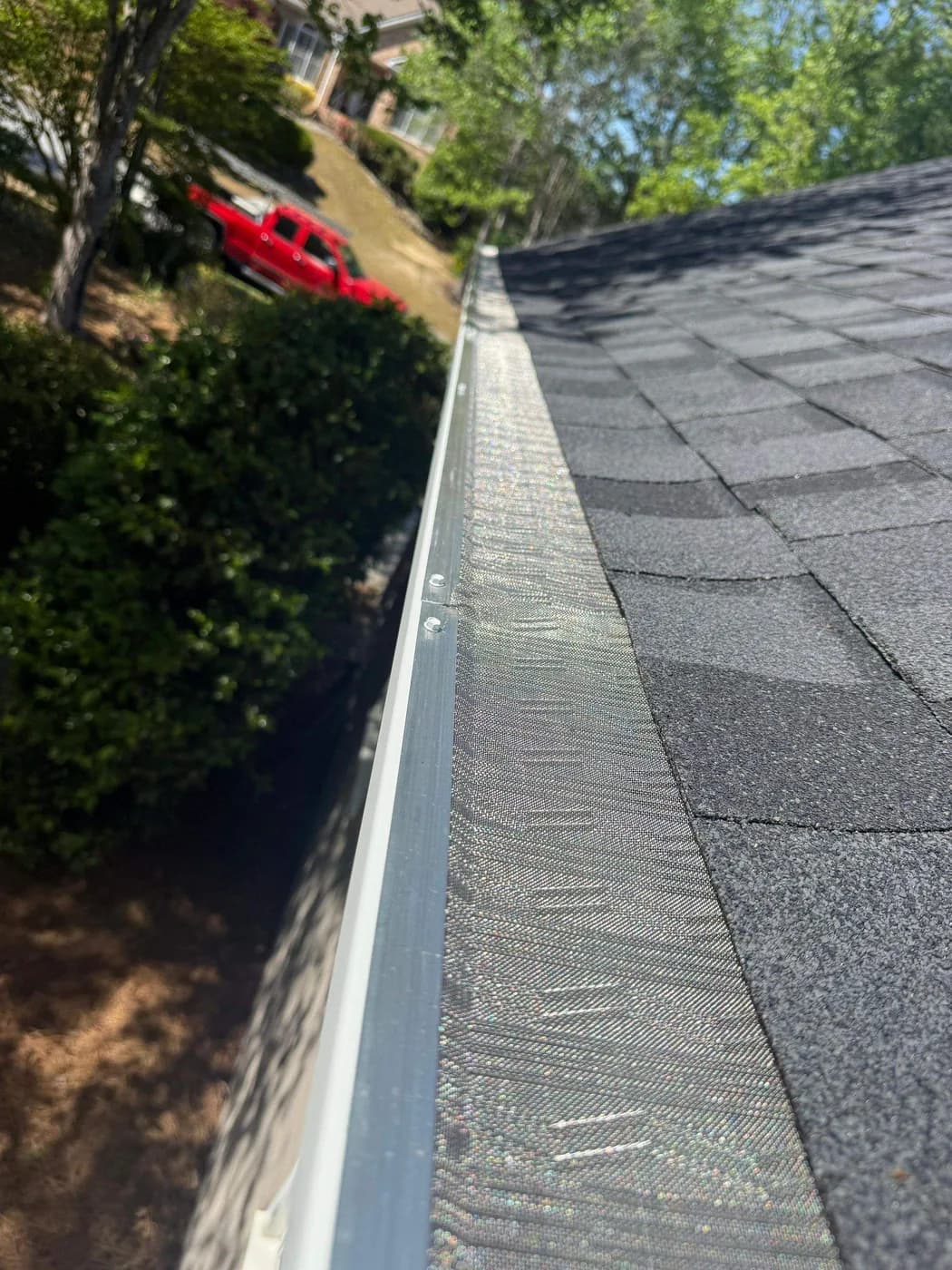
North Atlanta's oak, pine, and sweetgum canopy is beautiful and hard on gutters. Pine needles in every season, oak catkins in spring, and leaves in fall pack an open gutter fast, and a clogged gutter overflows exactly like an undersized one. Good gutter guards keep the debris out so the water keeps flowing and you are not climbing a ladder twice a year.
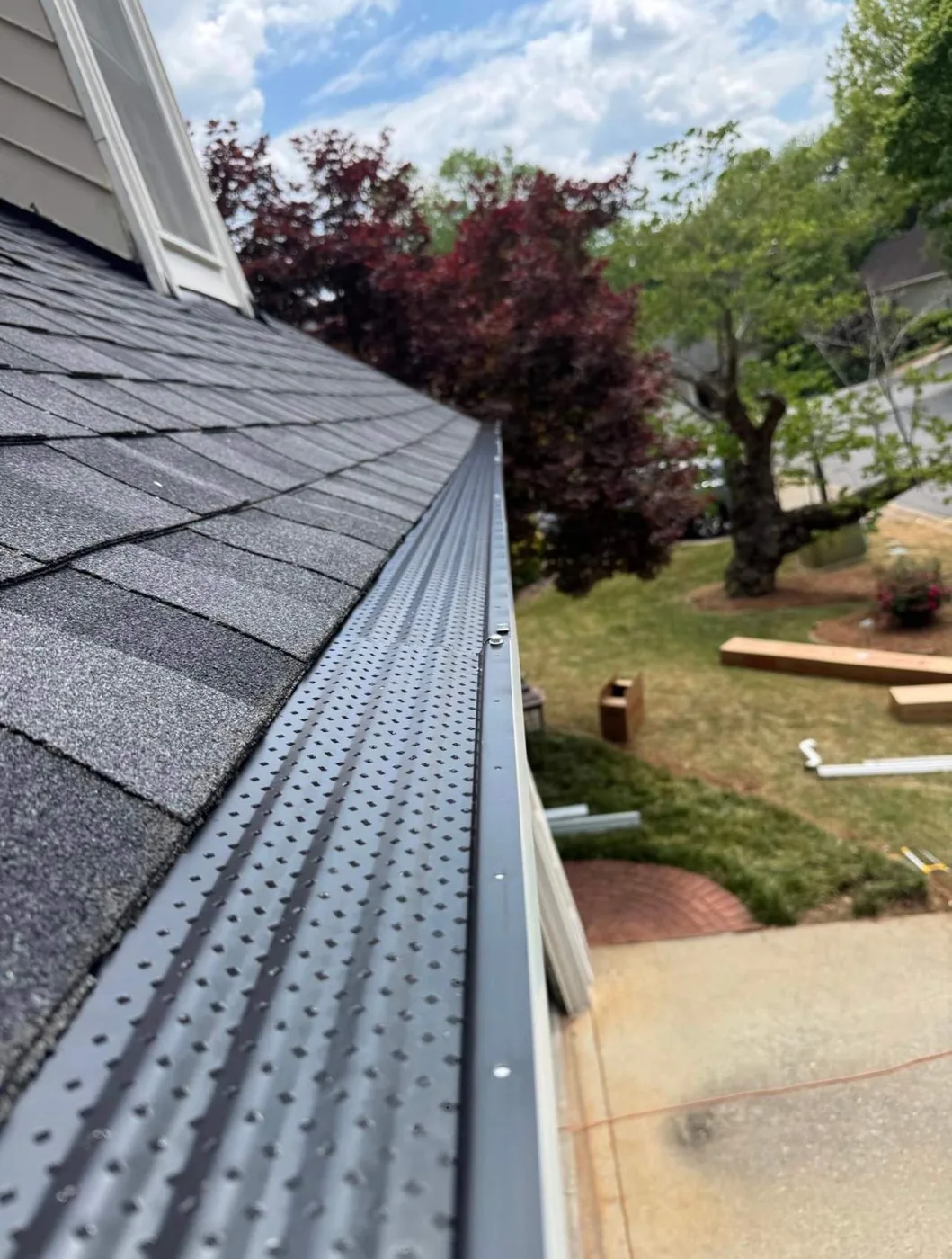
We install two proven systems, SmartFlow and LeafBlaster, matched to your actual tree exposure. Both block leaves and fine pine needles while letting water pass. Guards are an add-on, not a requirement, and we will give you a straight recommendation based on what is really growing over your roof rather than selling a guard to every home. If your yard is wide open with no trees, you may not need them at all, and we will tell you so.
When Gutters Should Be Replaced
You do not need to replace gutters on a schedule the way you eventually replace a roof, but a few signs mean it is time:
- Sagging or pulling away from the fascia. Usually a sign the fascia behind them is already rotting.
- Seams leaking or joints separating. Common on older sectional gutters as sealant fails.
- Peeling paint or rust streaks on the gutters or the siding below them, which means water is going where it should not.
- Overflow during normal rain, not just extreme storms, which points to undersizing or a chronic clog.
- Water pooling near the foundation or basement dampness after storms.
If you are already having the roof done, that is the ideal time to address gutters, because the crew is set up at the roof edge and can inspect and replace any rotted fascia before new gutters go up. On a full residential roofing project we handle the whole roof edge as one system so nothing gets missed.
The Bottom Line
Gutters are cheap to maintain and expensive to ignore. A clean, properly sized, seamless system quietly protects the most valuable parts of your home: the roof edge, the fascia, the siding, and the foundation. A neglected one hands that water straight to the parts you least want to repair.
If your gutters are overflowing, sagging, or older than your roof, get them looked at before the next storm season stacks up. Platinum Roofing installs seamless gutters, guards, and downspouts across Canton, Woodstock, and the greater North Atlanta metro, and we offer free, no-pressure estimates everywhere in our service areas. Call us at (770) 419-5714 or contact us, and we will come out, check the whole roof edge, and give you an honest read on what your home actually needs. You can also learn more about Platinum Roofing and the standards we hold every crew to.
Frequently Asked Questions
How often should gutters be cleaned in North Georgia?
For most homes here, twice a year is the right rhythm: once in late spring after the oak catkins and pollen drop, and once in late fall after the leaves come down. Homes under heavy pine or hardwood canopy may need more frequent attention, which is where gutter guards earn their keep by cutting cleanings down to a rare check instead of a twice-a-year chore.
Are seamless gutters worth the extra cost over sectional?
In our climate, yes. Sectional gutters leak at the seams as the sealant ages in the heat, and those seams are the number one failure point. Seamless gutters are cut on-site to the exact length of each run, so the only joints are at corners and downspouts. They last longer, leak less, and look cleaner, which is why they are what we install as standard.
Do gutter guards mean I never have to clean my gutters again?
They dramatically reduce it, but no honest roofer will promise never. Good guards like SmartFlow and LeafBlaster keep leaves and pine needles out so water flows freely, and most homeowners go from cleaning twice a year to an occasional check. Fine grit and roof granules can still collect over time, so an annual glance is smart, just far easier than hauling a ladder out every season.
Can bad gutters really damage my roof and foundation?
Absolutely, and it is one of the most common causes of avoidable damage we see. When a gutter clogs or overflows, water runs down behind it onto the fascia and roof edge, rotting the wood and eventually the decking, and it also dumps against the foundation where it causes settling, erosion, and basement seepage in our clay-heavy soil. Fixing the gutter early is a fraction of the cost of repairing what the overflow ruins.

About the Author
David Blackwell
Production Manager at Platinum Roofing, running the crews and quality checks on roof and seamless gutter installations across Canton, Woodstock, and the greater North Atlanta metro. Meet the Platinum Roofing team →