Roof Maintenance
Why Attic Ventilation Matters for Your Roof in Georgia's Heat
By Robert Shelby · June 29, 2026 · 9 min read
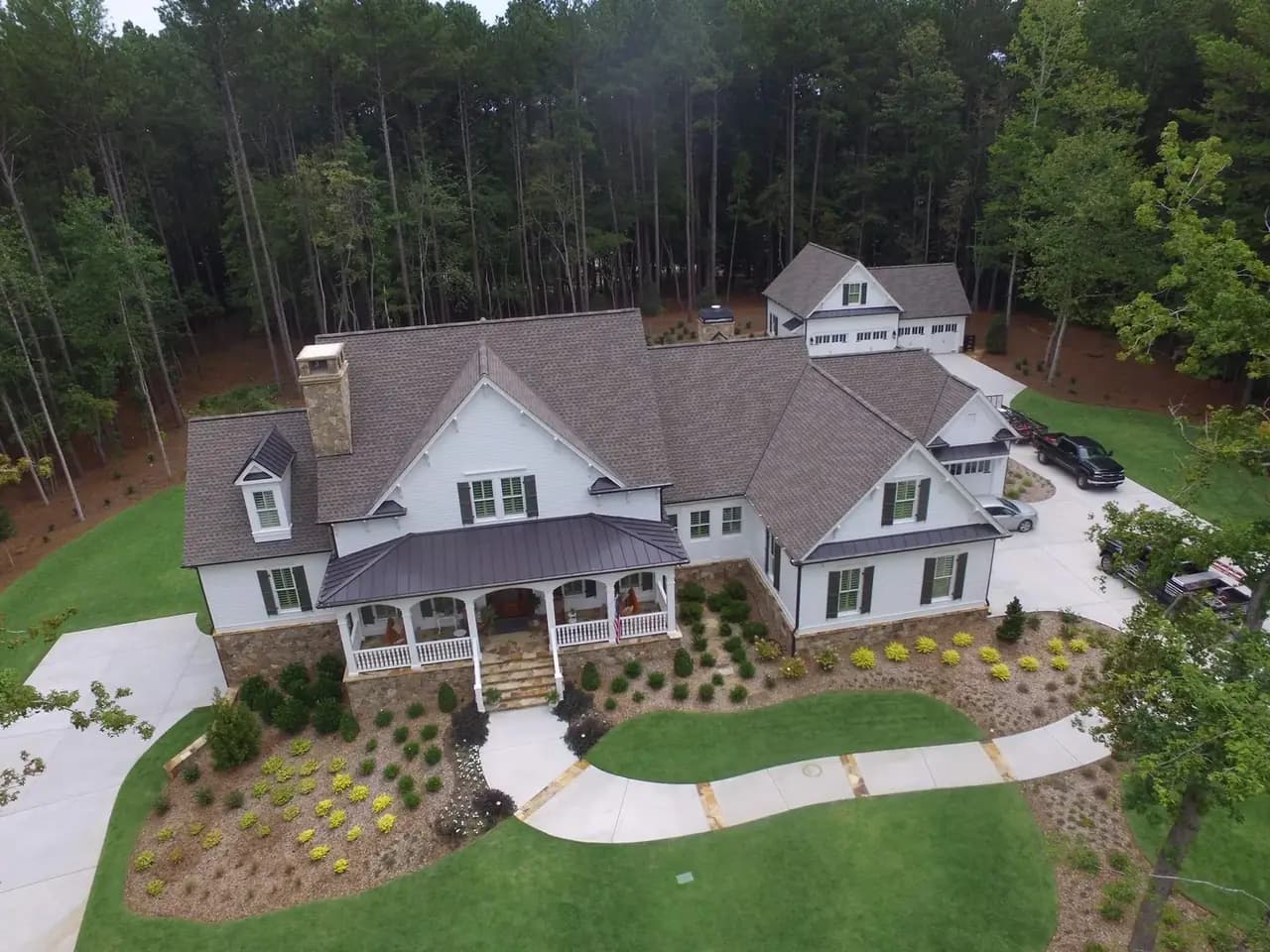
Proper attic ventilation is one of the most overlooked parts of a roof, and in Georgia it is one of the most important. The fix is simple: cool air should enter low at the eaves through the soffit vents and exit high at the peak through a ridge vent, so heat and moisture never get trapped against your roof deck. Robert Shelby, a 4th-generation roofer with 24+ years of experience and founder of Platinum Roofing in Canton, explains that in our long, humid summers an under-ventilated attic can hit 150°F, which bakes your shingles from below, drives your power bill up, and quietly shortens the life of a roof you paid good money for. The good news is that it is usually an easy, affordable thing to correct.
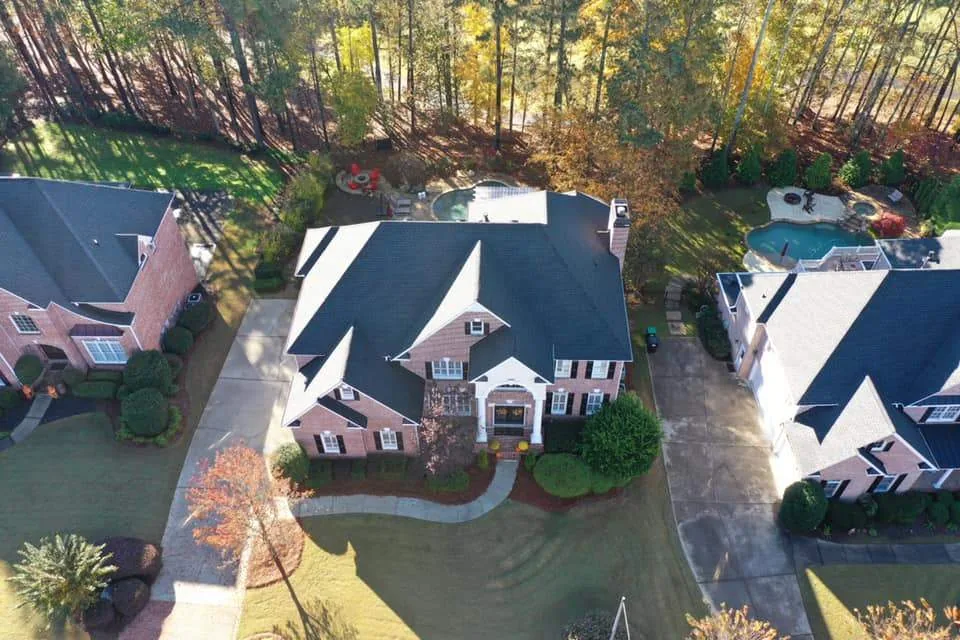
On a 95°F July afternoon in Cherokee County, here is what is actually happening above your ceiling:
How Attic Ventilation Actually Works
A roof is not meant to be a sealed box. It needs to breathe, and good ventilation is all about balance: an equal amount of air coming in at the bottom and going out at the top. Cool, lower air is pulled in through soffit vents under your eaves. As that air warms, it rises and carries heat and moisture out through exhaust vents at the ridge, the highest point of the roof. This steady, natural current runs all day with no fan and no electricity.
When that balance is right, the attic stays close to the outdoor temperature and dry. When it is off, usually because the home has plenty of exhaust but not enough intake (or the soffit vents are painted over or stuffed with insulation), the system stalls and heat just sits there.
What a Hot Attic Does to a Georgia Roof
This is the part homeowners do not see until it costs them. A trapped-heat attic causes four real problems:
- It bakes your shingles from the back. Asphalt shingles are rated for years of top-side sun, but constant heat radiating up from a 150°F attic cooks them from underneath too. They dry out, curl, and lose granules years ahead of schedule.
- It traps moisture in winter and humid months. Georgia humidity and everyday indoor moisture rise into the attic. Without an exit, that damp air condenses on the underside of your roof deck, leading to mold, mildew, and slowly rotting plywood.
- It runs up your power bill. That superheated attic radiates down into your living space, so your air conditioner runs longer and harder all summer to keep up.
- It can void your warranty. Most shingle manufacturers require adequate ventilation. If a heat-failed roof is inspected and found under-ventilated, a warranty claim can be denied.
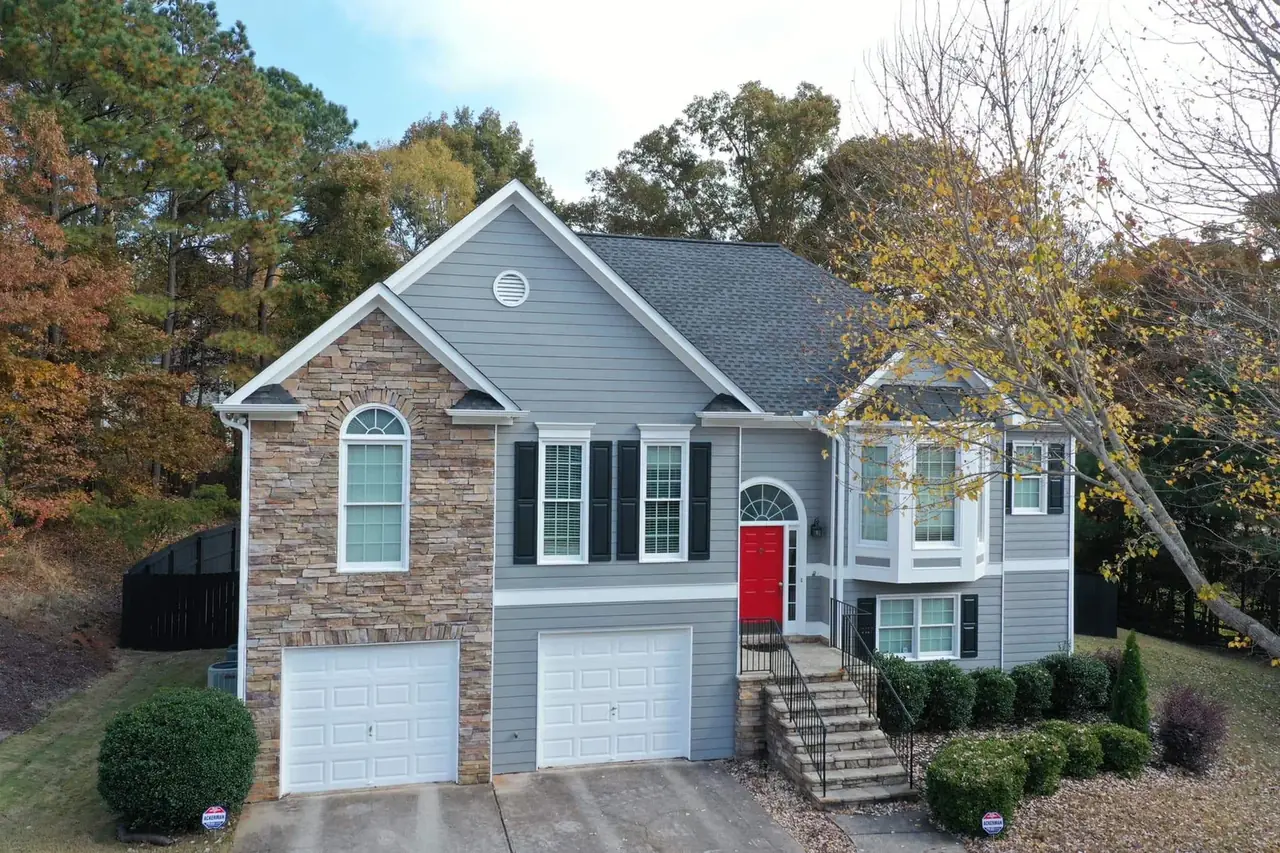
The cruelest part is the math on lifespan. I have pulled 16-year-old roofs off North Georgia homes that should have lasted 28 years, and the only thing wrong was that the attic could never breathe. Good ventilation is cheap insurance on a roof that costs many thousands of dollars (see how much a roof replacement runs in Georgia).
Signs Your Attic Is Not Breathing
You do not need to climb onto your roof to suspect a ventilation problem. Watch for these:
If two or three of these sound like your home, your attic is very likely struggling, and a quick look in person will tell us for sure.
How We Fix It the Right Way
Fixing ventilation is rarely a teardown. On most North Georgia homes we do three things: confirm the soffit vents are open and clear, add baffles so attic insulation never chokes off that intake airflow, and run a continuous ridge vent across the peak for steady exhaust. The goal is always that balance of intake and exhaust, not just bolting on more vents. A roof with three different kinds of exhaust and no real intake actually performs worse, because the vents start stealing air from each other instead of from the soffits.
When we install a new roof, balanced ventilation is built into the price, not sold as an upgrade. It is part of doing the job right. If you are weighing materials for a future roof, our guide to the best roofing materials for Georgia's climate pairs naturally with getting the ventilation right, because the two together are what actually deliver the lifespan you are paying for.
The Simplest Next Step
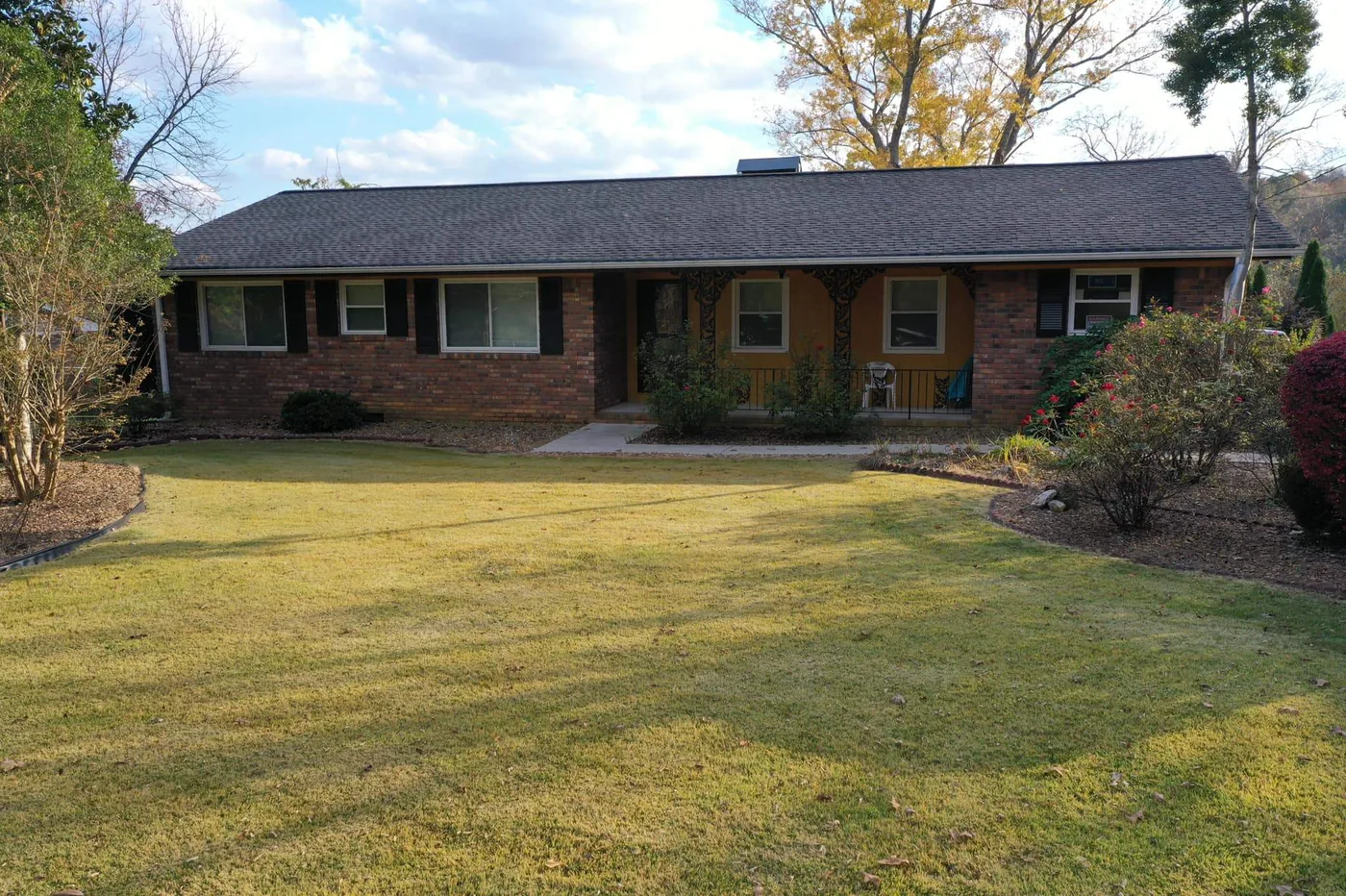
Here is the honest truth after 24 years on Georgia roofs: most homeowners have never had anyone actually check their attic ventilation, and a surprising number of roofs in Cherokee, Cobb, and Fulton counties are running too hot right now. You cannot fix what no one has looked at. We check ventilation on every roof we inspect in Canton, Woodstock, Holly Springs, Roswell, Alpharetta, Marietta, and Kennesaw.
That is exactly what our free inspection covers. We will get in the attic, check your intake and exhaust, look for moisture and heat damage on the deck, and tell you plainly whether your roof is breathing the way it should. If everything is fine, we will say so and you will have real peace of mind heading into the hottest part of the summer. If it is not, you will get a clear, no-pressure plan to fix it.
Whether you need residential roofing, a targeted roof repair, or just an honest set of eyes on a hot upstairs, we would be glad to help. Call Platinum Roofing at (770) 419-5714 or contact us to book your free inspection. We are a family business that has cared for roofs across North Georgia since 2000, and we would be honored to take a look at yours.
Frequently Asked Questions
How do I know if my attic has enough ventilation?
The simplest sign is temperature and comfort: if your upstairs rooms run hot, your summer power bills keep climbing, or your attic feels like an oven and smells musty, your ventilation is likely inadequate. A roofer can confirm it by checking that you have clear soffit intake at the eaves and continuous exhaust at the ridge, in roughly equal amounts. We check this on every free inspection.
Does attic ventilation really lower my energy bill?
Yes. A poorly vented attic can reach 150°F on a hot Georgia day, and that heat radiates down into your living space, forcing your air conditioner to run longer. Letting that heat escape through balanced soffit and ridge venting keeps the attic closer to the outdoor temperature, which eases the load on your cooling system through our long summers.
Is a ridge vent better than roof box vents or a powered fan?
For most North Georgia homes, a continuous ridge vent paired with open soffit intake is the most reliable and lowest-maintenance setup, because it works on natural airflow with no moving parts. The key is balance: enough intake at the soffits to feed the exhaust at the ridge. Mixing several types of exhaust without enough intake can actually short-circuit the airflow and make ventilation worse.
Can poor ventilation void my roof warranty?
It can. Most shingle manufacturers require adequate attic ventilation as a condition of their warranty, so a roof that fails early from trapped heat may not be covered if it is found to be under-ventilated. Getting the ventilation right is part of protecting both your roof and the warranty you paid for.

About the Author
Robert Shelby
Fourth-generation roofer who founded Platinum Roofing in 2000. Meet the Platinum Roofing team →