Homeowner Tips
Storm Chasers: 7 Roofing Scams in Georgia (And How to Spot One Before You Sign)
By Robert Shelby · June 13, 2026 · 10 min read
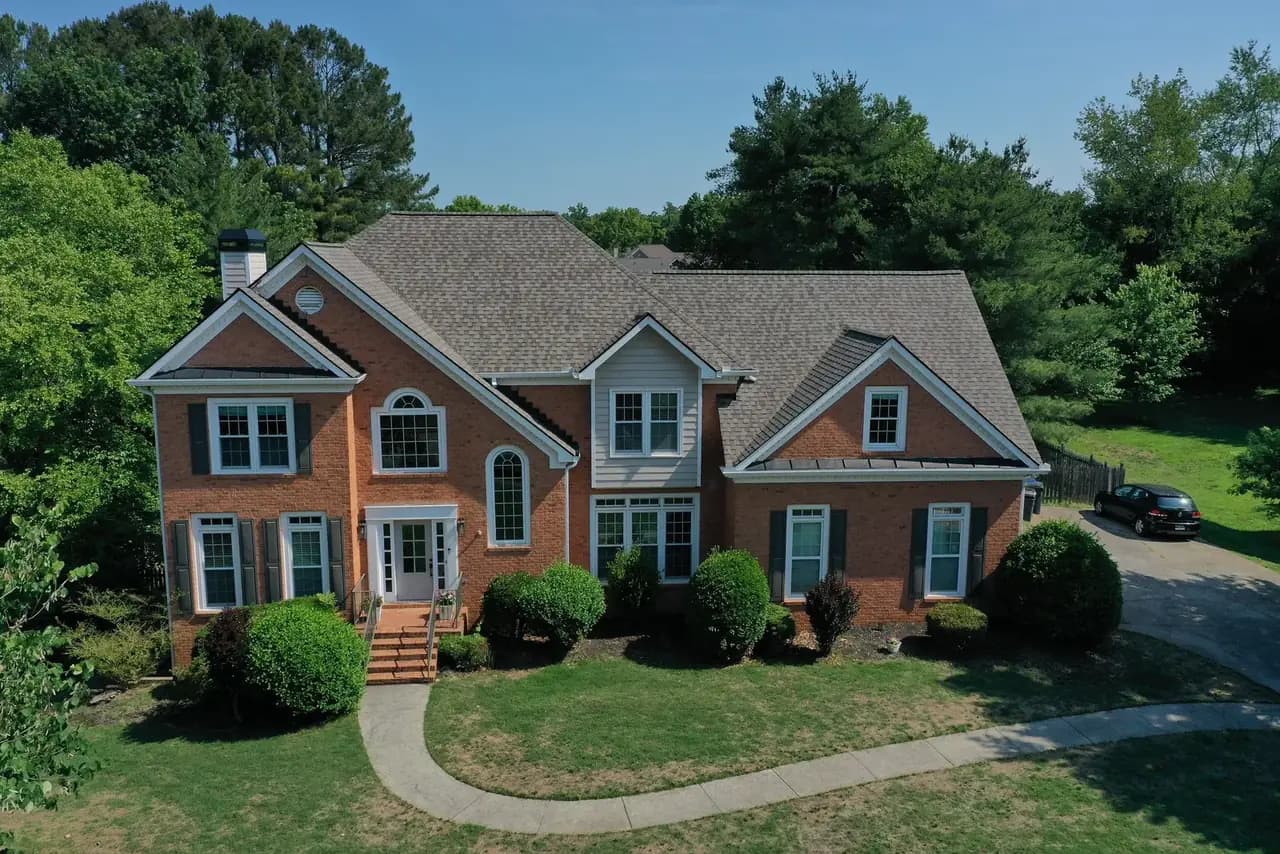
The knock comes the morning after a hailstorm. A friendly stranger in a branded polo says he was "working a roof down the street" and noticed your shingles took a beating. He can get it covered by insurance, he says, and he just needs your signature today before he moves on to the next town. Robert Shelby, a 4th-generation roofer with 24+ years of experience and founder of Platinum Roofing in Canton, has watched this exact scene play out in North Georgia for two decades. The pitch is polished, the urgency is fake, and the company will be three states away by the time your roof leaks.
These crews are called storm chasers, and they treat a Georgia hailstorm like a payday. This guide breaks down the 7 red flags that give them away, the data behind why they target our area, and the simple script you can use to shut the door on a scam without slamming it.
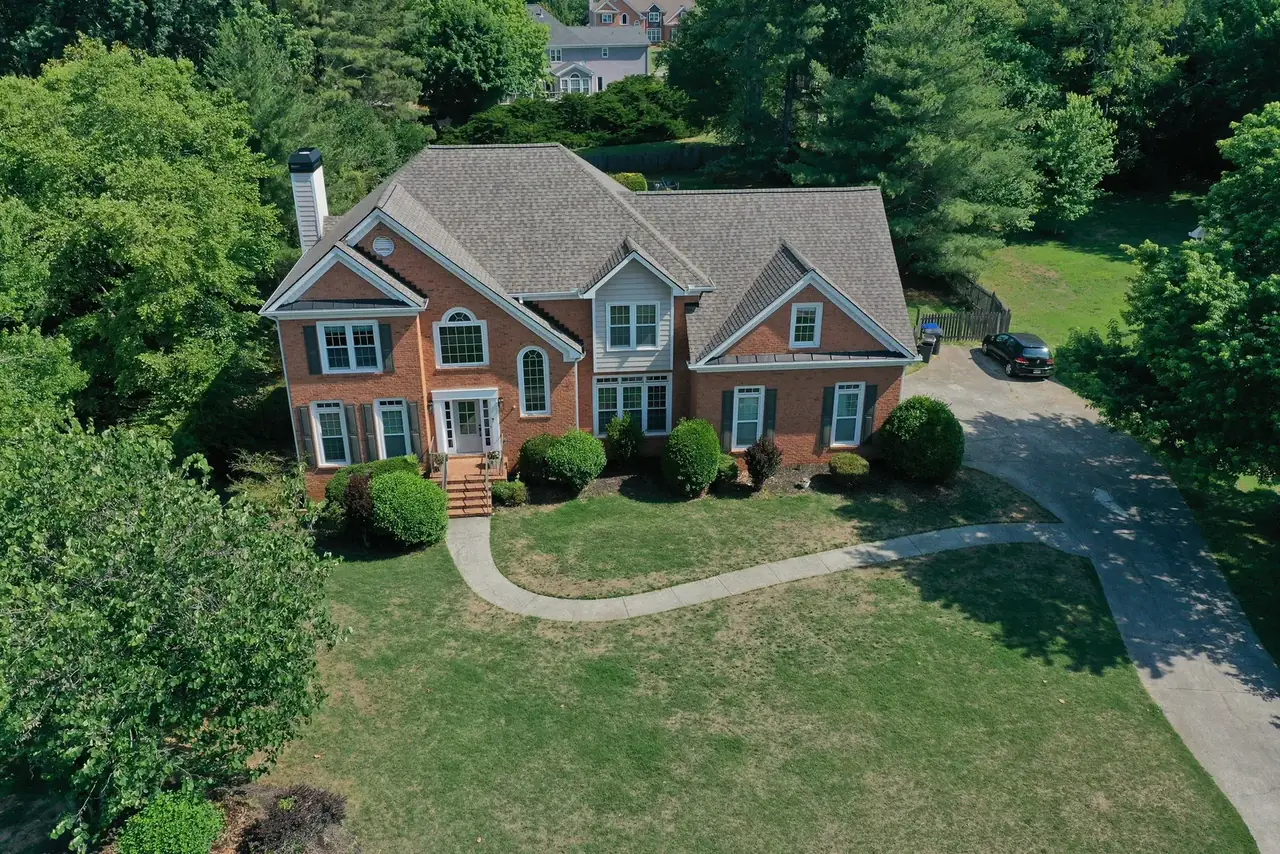
Why Storm Chasers Love North Georgia
This is not random. North Atlanta sits in a corridor that gets pounded by spring and summer hail, and these out-of-state crews follow the storm tracks the way migratory birds follow the weather. After a major hail event, the number of unlicensed door-knockers in a neighborhood can jump overnight, and complaints to consumer-protection agencies climb right alongside them.
A legitimate local company is here in the off-season too. We answer the phone in January, we honor warranties in year ten, and you can drive to our actual address. A storm chaser exists for one storm in one zip code, and the math only works if they sign as many doors as fast as possible before the next county calls.
The 7 Red Flags of a Roofing Scam
You do not need to be a roofing expert to spot a storm chaser. You just need to know what an honest contractor will never do.
1. They knocked on your door first
This is the biggest tell. Reputable roofers stay busy on referrals, repeat customers, and inspections that homeowners request. When someone shows up uninvited claiming your roof is damaged, the "free inspection" is a sales tactic, not a favor.
2. High-pressure urgency ("sign today or you miss out")
"My crew is only in the area this week." "Prices go up Monday." "I can only honor this if you sign now." Real roofing estimates are good for weeks, and a real company is happy to let you get a second opinion. Manufactured urgency exists to stop you from doing exactly that.
3. They want you to sign before insurance is involved
Watch for a vague "authorization" or "contingency agreement" handed to you on a tablet. Some of these documents quietly assign your insurance benefits to the contractor or lock you into using them no matter what your insurer approves. Never sign anything that gives a stranger control of your claim.
4. A deposit demand, cash preferred
A large upfront deposit (especially cash, Venmo, or a personal check made out to an individual) is a classic exit strategy. Established roofers carry the credit to buy materials and do not need your money before a single shingle is delivered.
5. No local address, license, or proof of insurance
Ask for a physical Georgia address, a contractor's reference, and a certificate of liability and workers' comp insurance. A storm chaser will give you a cell number and a magnetic truck sign. If a worker gets hurt on an uninsured crew, the liability can land on you, the homeowner.
6. They offer to "waive" or "eat" your deductible
This sounds generous. It is also insurance fraud in Georgia, and it tells you everything about how this company does business. A contractor willing to commit fraud with your insurer will not hesitate to cut corners on your roof.
7. The bid is dramatically lower (or the damage is wildly exaggerated)
Two versions of the same scam: a lowball number to win the signature (with the real cost padded later), or a doom-and-gloom inspection that invents damage to justify a full replacement you may not need. An honest inspection shows you photos and explains what is actually wrong.
What a Storm Chaser Costs You (Beyond the Money)
The deposit you lose is only the start. When an out-of-state crew rushes a job and disappears, the real damage shows up months later: leaks around flashing, voided manufacturer warranties because the shingles were installed wrong, and a "warranty" phone number that no longer connects. By then the company is unreachable, your insurance claim may be exhausted, and a legitimate roofer has to charge you again to undo the bad work. A storm chaser does not just take a deposit. They can cost you a second full roof replacement.
| Storm Chaser | Established Local Roofer | |
|---|---|---|
| Found you by | Knocking after a storm | Referrals and requested inspections |
| Address | Out-of-state, cell only | Verifiable Georgia location |
| Deposit | Large, cash preferred | None needed to start |
| Insurance | Wants to control your claim | Helps you document, you stay in control |
| Warranty | Verbal, gone next season | Written workmanship warranty, honored for years |
| In year 5 | Unreachable | Still answering the phone |
The Honest Way Storm Damage Should Work
A real storm-damage process is calm and documented. After a hail or wind event, a licensed roofer inspects your roof and shows you photos of any actual damage. If there is a covered loss, your roofer helps you document it for your own insurance company while you stay in charge of the claim. You file with your insurer, an adjuster confirms the scope, and the work is scheduled with a written contract and a clear warranty. Nobody asks you to sign over your benefits in a driveway, and nobody needs cash before the materials arrive. If you suspect storm damage, that is exactly what our emergency roofing and roof repair teams are built to handle across our North Georgia service areas.
The Script: What to Say When One Knocks
Keep it simple and firm. You do not owe a salesperson an inspection or a signature.
- "Thanks, but I work with a local roofer. I'll have them take a look."
- "I don't sign anything at the door. Leave a card and I'll call if I'm interested."
- "I'm not paying a deposit and I'm not authorizing anything until my own roofer inspects it."
Then call a company you can actually find. Get the damage assessed by a roofer who lives and works here, who carries Georgia insurance, and who will still be in business when your shingles are halfway through their life. That is the entire difference between a roof that protects your family for 25 years and a deposit that vanishes with the next storm cell.
If a storm just rolled through and you want a straight answer about your roof, skip the door-knocker. Call Platinum Roofing at (770) 419-5714 for a free, no-pressure inspection from North Georgia's 4th-generation roofers, or contact us and I will personally make sure you know exactly what is going on up there. Want to see the quality difference for yourself? Browse our project portfolio and read more about Platinum Roofing.
Frequently Asked Questions
Are roofing storm chasers illegal in Georgia?
Door-to-door solicitation itself is not illegal, but many storm-chaser tactics are. Offering to waive or "eat" your insurance deductible is insurance fraud in Georgia, and operating without a proper license, liability insurance, or workers' compensation can expose both the contractor and the homeowner to serious liability. The safest move is to refuse to sign anything at the door and verify the company independently.
Should I let a door-knocker inspect my roof for free?
It is your choice, but understand that the "free inspection" is a sales tool, not a courtesy. An unsolicited inspector has every incentive to find or exaggerate damage. If you suspect storm damage, request an inspection from a local roofer you chose, so the person on your roof is not the same person who needs you to sign a contract.
What should I never sign after a storm?
Never sign an "authorization," "contingency agreement," or "assignment of benefits" handed to you by an uninvited contractor, especially on a tablet you cannot fully read. These documents can hand control of your insurance claim to a stranger or lock you into using their company. Have any agreement reviewed when you are calm and not under pressure.
How do I verify a roofing company is legitimate in Georgia?
Ask for a physical Georgia address, a certificate of liability and workers' compensation insurance, and references from local jobs. Check that the company has an established online presence and reviews over multiple years, not just since the last storm. A real local roofer, like Platinum Roofing in Canton, has a verifiable history and answers the phone year-round, not just during hail season.
My neighbor got a "free roof." Why can't I?
Sometimes a roof genuinely qualifies for an insurance-covered replacement after a documented storm, and that is legitimate when handled properly through your own insurer. The scam version is a contractor promising a "free roof" by waiving your deductible or inflating the claim, which is fraud. A trustworthy roofer documents real damage and lets your insurance company make the call, rather than guaranteeing an outcome at your front door.
About the Author
Robert Shelby
Fourth-generation roofer who founded Platinum Roofing in 2000. Meet the Platinum Roofing team →