Roof Inspection
Free Roof Inspection in North Georgia: What It Covers and What It Costs
By Robert Shelby · July 27, 2026 · 19 min read
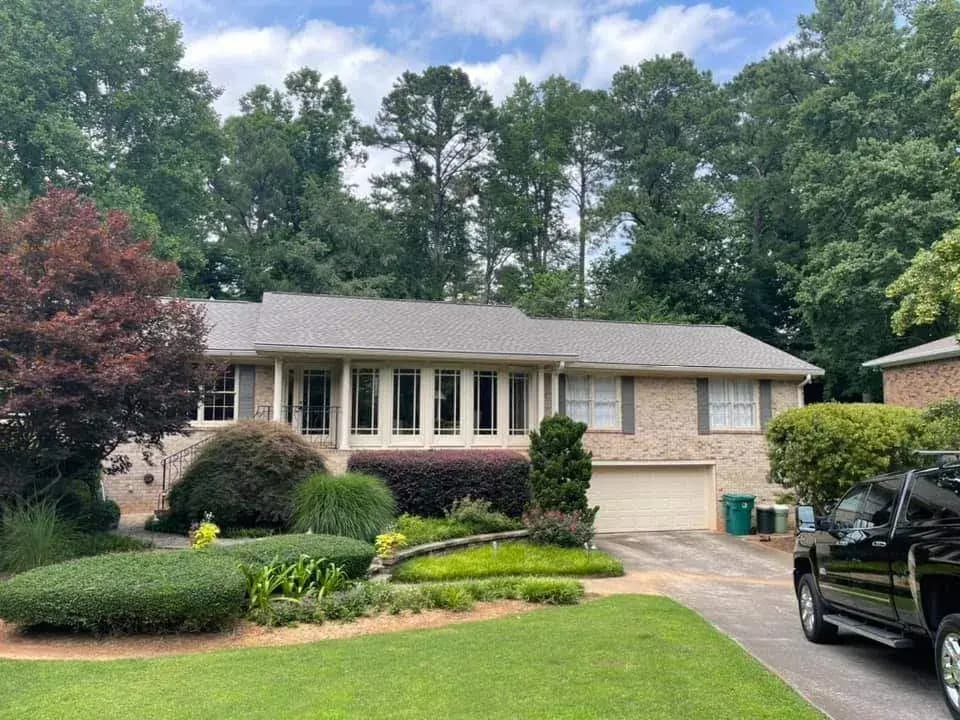
A proper roof inspection in North Georgia takes 45 to 60 minutes, covers ten checkpoints from the ridge vent down to where your downspouts empty, and ends with photographs and a written finding you get to keep. From a licensed local roofing contractor it should cost you nothing. I am Robert Shelby, a 4th-generation roofer, and I have been climbing Georgia roofs for 24 years and running Platinum Roofing out of Canton since 2000. In that time I have watched a lot of homeowners pay for a report they could have gotten free, and I have watched a lot more get a two-minute walk-around called an inspection. Both problems come from the same place: nobody ever told them what an inspection is supposed to include.
So here is the whole thing, laid out plainly. What gets checked, what it costs, what we find most often, and how to tell in the first five minutes whether the person on your roof is inspecting it or selling you something.
What "Free" Actually Means, and Who Pays for It
Let me answer the suspicious question first, because it is the right question to ask.
A free roof inspection is free because it is how a roofing company earns the chance to bid your work. We spend an hour on your roof knowing that most of the time the honest answer is "your roof is fine, see you in a couple of years." We are betting that when you do need a roof, you will remember who told you the truth when there was nothing in it for them. That is the entire business model, and it has kept a family company running here since 2000.
What free does not mean is obligation. You do not owe us a signature, a deposit, or a decision. If we find nothing, we tell you that you have nothing to fix and we leave. If we find something small, we will often tell you it can wait a season. A company that cannot say "your roof is fine" out loud is not inspecting, it is prospecting.
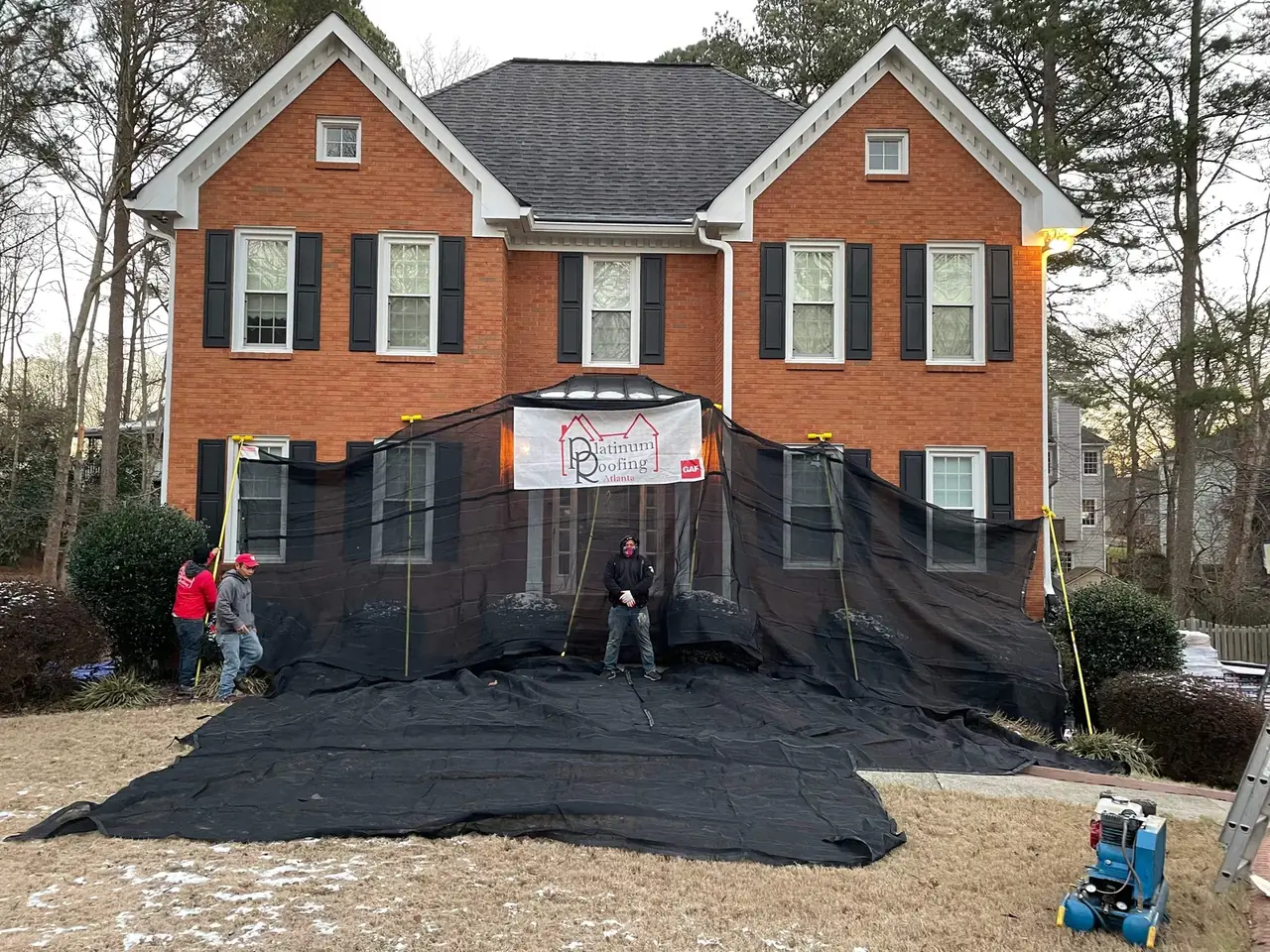
The Ten Checkpoints a Real Inspection Covers
Water does not usually get in through the middle of a clean run of shingles. It gets in where the roof is interrupted, where two planes meet, or where a piece of metal has aged out. A real inspection follows the water. Here is the whole route.
On the roof surface (1 to 3). We start at the ridge, because a ridge vent that has lifted or a cap shingle that has blown off puts water straight into the highest point of your attic. Then the shingle field: we are looking for granule loss, curling, brittleness, and the round soft spots that hail leaves behind. Then the valleys, which carry more water per square foot than anything else on your house.
Every penetration and joint (4 to 6). This is where the leaks actually are. Rubber pipe boots harden and split in our UV, usually somewhere around year twelve. Chimney flashing and counterflashing age out on their own schedule, separate from the shingles. Step flashing where a roof plane runs into a wall has to be woven in one piece per shingle course, and a shortcut there shows up as a ceiling stain years later. If you have already got a stain near the fireplace wall, our breakdown of why roofs leak around the chimney covers exactly what we find.
The edge and the water path (7, 10). Drip edge, gutter pitch, fascia condition, and then the part almost nobody checks: where the downspouts actually put the water. A perfect roof draining against a foundation is still a problem, and properly sized gutters are part of the roof system, not an accessory to it.
From the inside (8, 9). This is the checkpoint that separates a real inspection from a look. We get in the attic with a light. Daylight through the deck, dark staining on the sheathing, rusted nail shanks, wet insulation, and blocked soffit intake all tell a story the shingles cannot. Half the roofs we condemn early were killed by an attic that could not breathe, not by weather.
What We Find Most Often on a Georgia Roof
People expect us to find a dramatic hole. We almost never do. Out of every ten North Georgia roofs we inspect that are past twelve years old, here is roughly how often each of these turns up.
Look at the top of that list. A cracked pipe boot is a $150 to $400 repair that most homeowners never hear about until there is a stain on the bedroom ceiling and the fix has turned into drywall, insulation, and a section of decking. That is the real argument for an inspection: not that your roof is about to fail, but that the cheap window to fix something closes quietly.
How Much Should a Roof Inspection Cost in Georgia?
There are five different things people call a roof inspection, and they carry very different price tags. Here is the honest landscape across metro Atlanta and North Georgia.
A few notes on that chart, because the price is not the whole story.
- The licensed contractor inspection is free and it is the most thorough of the group, because it is the only one performed by someone who actually installs roofs for a living and gets on the roof to do it.
- The insurance adjuster is free but works for the carrier. That is not a criticism, it is just their job. This is why we recommend having your own roofer present for the adjuster meeting, and why our guide to what homeowners insurance covers in Georgia matters before you file anything.
- A home inspection's roof section is usually a ladder at the eave or a look from the ground. It is fine for a real estate transaction and it is not a substitute for someone walking the slopes.
- Pay for the engineer report only when there is a legal or structural question, like a dispute with a carrier or a builder. For a normal "is my roof okay" question it is money you do not need to spend.
The short version: in Cherokee, Cobb, Fulton, and Forsyth counties, there is almost no reason a homeowner should pay for a routine roof inspection.
If You Just Want a Number, Not a Visit
Some people are not ready for anyone to come out. They are budgeting. They want to know whether a new roof on their house is a $12,000 conversation or a $28,000 conversation before they pick up the phone, and they would rather not hand their number to a lead site that sells it to four contractors.
That is exactly why we built our instant roof quote. You enter your address, and we measure your actual roof from current high-resolution aerial imagery: the square count, the pitch, and the facets. It takes about a minute, nobody comes to your house, and we email you a roof report with the satellite image of your home, your real measurements, and an estimated price range in three material options so you can see what the upgrade tiers are actually worth.

Two honest limits on it, since I would rather you hear them from me. Aerial imagery is excellent at size and pitch and useless at condition, so the instant quote gives you a range rather than a single number, and it cannot tell you whether your decking is soft or your flashing is done. Heavy tree cover over the roof is the one thing that can throw the measurement off, and we check the building outline separately and flag it in your report when that happens.
So the two paths work together. The instant quote answers "roughly what am I looking at" in about a minute. The free inspection answers "what does my roof actually need" and produces the firm written number. Most people do the quote first and book the inspection once they know the ballpark is workable. If you want the full cost picture, our guide to what a roof replacement costs in Georgia breaks down where the money goes.
How to Tell a Real Inspection From a Sales Call
Every spring after a hail line moves through Cherokee or Cobb County, a wave of out-of-state crews works the neighborhoods offering free inspections. Some are legitimate. Many are not. Here is how to tell inside five minutes.
Signs you are getting a real inspection:
- They get on the roof, and they go in your attic.
- They spend 45 minutes or more on an average home.
- They take photographs and show them to you on the spot.
- They leave you a written finding whether or not there is damage.
- They are comfortable saying your roof is fine.
- They can name their Georgia license and show current liability and workers compensation coverage.
Signs you are getting a sales call:
- The inspection takes ten minutes and never leaves the ladder.
- They found "severe storm damage" before they got off the roof, on a roof you have had no trouble with.
- The paperwork they want signed is an insurance authorization or a contingency agreement, not an estimate.
- The price drops the moment you hesitate.
- The phone number is out of area and the truck has no permanent local address on it.
- They want a deposit today.
That last group is worth taking seriously. We wrote up the full playbook in how to spot roofing scams and storm chasers in Georgia, and the single best defense is simple: never sign anything at the door, and get a second opinion from a company that has been in your county for more than one storm season.
How Often Should You Have Your Roof Inspected?
For a typical North Georgia asphalt roof, here is the schedule I give my own neighbors.
- Every two years for a roof under ten years old.
- Every year once the roof passes ten years, because that is when boots, sealants, and flashing start aging out ahead of the shingles.
- After any storm that brought hail you could hear on the windows or winds over about 50 mph. Georgia gives most carriers a one year window from the date of loss to file, and damage you never documented is damage you cannot claim.
- Before you list your house, so a buyer's inspector does not get to define your roof's condition during negotiation.
- Before you buy a house, because the roof is usually the largest single deferred expense on the property and a home inspection's roof section is not built to catch it.
Get Yours on the Calendar
Here is the honest bottom line after 24 years of this. Most of the roofs we inspect are in better shape than the homeowner feared, and the ones that are not are almost always a cheap fix caught in time rather than a disaster. Either way you end up knowing, and knowing is worth an hour.
We cover Canton, Woodstock, Holly Springs, Ball Ground, Jasper, Roswell, Alpharetta, Milton, Johns Creek, Marietta, Kennesaw, Smyrna, Duluth, Cumming, Sandy Springs, and the rest of the eleven North Georgia counties we serve. Whether you need a full residential roof, a targeted roof repair, or just an honest set of eyes on something that has been bothering you, we would be glad to take a look.
Call Platinum Roofing at (770) 419-5714, book your free inspection online in under a minute, or price your roof instantly if you would rather start with a number. We are a family business that has cared for roofs across North Georgia since 2000, and we would be honored to look at yours.
Frequently Asked Questions
How long does a roof inspection take?
Plan on 45 to 60 minutes for an average North Georgia home. That covers walking the roof surface, checking every penetration and flashing joint, inspecting the gutters and drip edge, and getting into the attic with a light to look at the decking and ventilation from underneath. A larger or steeper roof, or one with several dormers and valleys, can run closer to 90 minutes. Anything that finishes in ten minutes was not an inspection.
Is a free roof inspection really free?
Yes, from a licensed local roofing contractor it is genuinely free with no obligation. We inspect knowing that most roofs turn out to be fine, and we are betting that when you eventually need work you will call the company that told you the truth for nothing. You should never be asked for a deposit, a signature, or an insurance authorization in exchange for an inspection.
How much does a roof inspection cost in Georgia if I pay for one?
A standalone paid roof inspection runs about $150 to $400 across metro Atlanta, a drone-only scan runs $150 to $350, and the roof section bundled into a full home inspection sits inside a $350 to $600 whole-home fee. An engineer or certified roof report for a legal or insurance dispute runs $500 to $1,200. For a routine condition check there is rarely a reason to pay any of that, because a licensed roofing contractor will do a more thorough job at no cost.
Do I need to be home for the roof inspection?
You do not have to be home for us to inspect the exterior, but we ask for attic access, so it works best if someone is there. Being present is also the most useful hour you will spend on your roof, because we can show you the photographs while we are standing there and you can ask questions in real time instead of trying to decode a report later.
Will you go in my attic during the inspection?
Yes, whenever there is safe access. The attic is where a roof tells the truth. Daylight through the decking, dark staining on the sheathing, rusted nail shanks, damp insulation, and soffit vents choked off by insulation are all things you cannot see from the shingle side. Skipping the attic is the most common shortcut in the trade and it is how ventilation problems go undiagnosed until the roof fails ten years early.
Should I get a roof inspection before filing an insurance claim?
Yes, and it is one of the most valuable things you can do. An independent inspection from your own roofer documents the damage with dated photographs before the adjuster arrives and gives you someone who can meet the adjuster on the roof and speak the same language. Georgia carriers generally allow one year from the date of loss to file, so getting it documented early protects the claim even if you are undecided about filing.
What is a certified roof inspector, and do I need one?
There is no single state license in Georgia called "roof inspector." What matters is that the company holds proper Georgia licensing, carries current general liability and workers compensation insurance, and is certified by the manufacturers whose products they install, since manufacturer certification is what allows an enhanced warranty on a new roof. For a normal condition check, a licensed and manufacturer-certified roofing contractor is exactly who you want. A formal engineer's report is only necessary when there is a structural question or a legal dispute.
Can you inspect my roof after a hail storm even if I do not see damage?
Please do call. Hail damage on an asphalt roof usually looks like nothing from the ground. What it leaves behind is bruising, soft circular spots where the impact fractured the mat under the granules, and those spots become leaks two or three years later once the exposed mat weathers. Wind damage is similar, since a shingle can have its seal strip broken and still lie flat until the next storm lifts it. Both are worth documenting while the storm date is recent.

About the Author
Robert Shelby
Fourth-generation roofer who founded Platinum Roofing in 2000. Meet the Platinum Roofing team →