Solar & Roofing
Should You Replace Your Roof Before Installing Solar Panels?
By Robert Shelby · August 5, 2026 · 16 min read
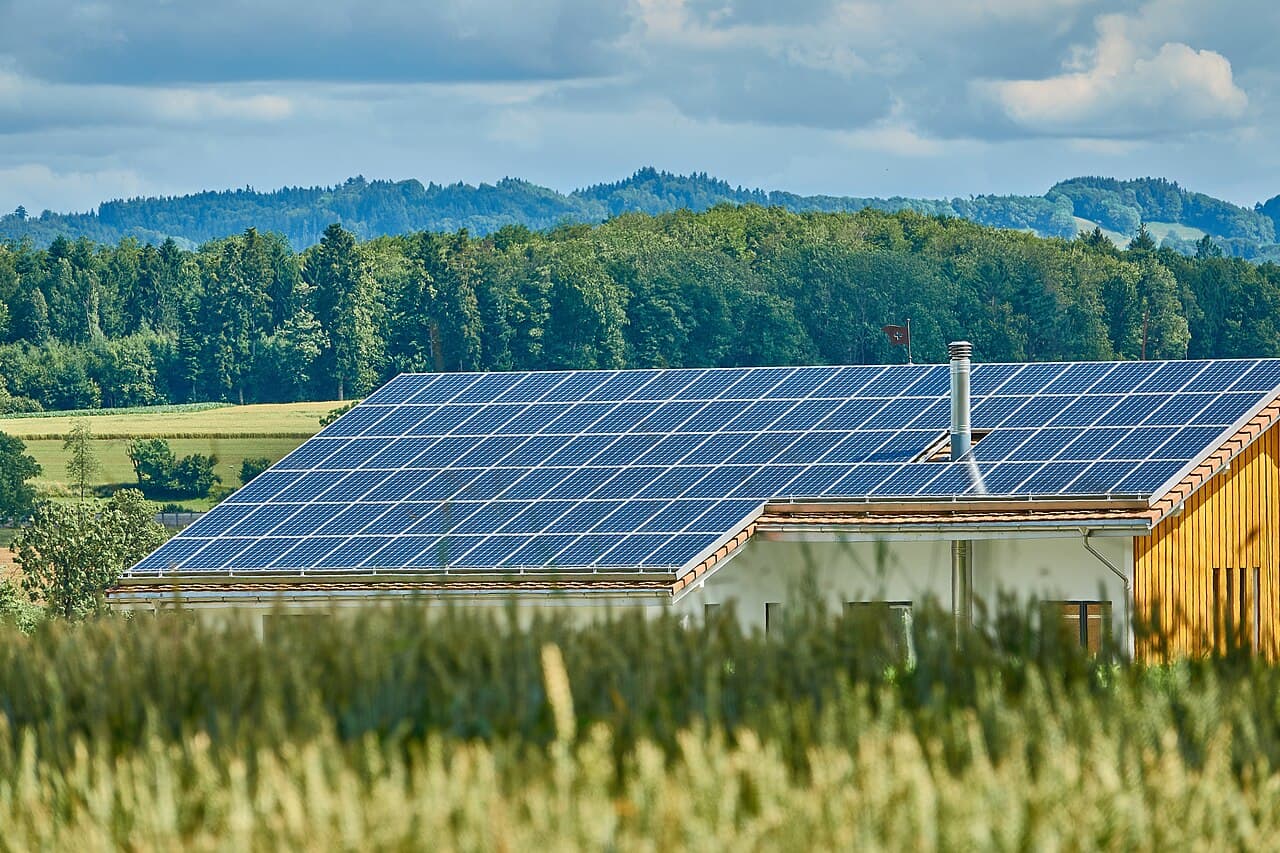
If you are about to put solar panels on your house, here is the single most important roofing question to answer first: does your roof have more life left than the panels do? Solar panels are built to run for about 25 to 30 years. A mid-life asphalt roof is not. If you bolt a 28-year array onto a roof with 8 years left in it, you are going to pay to take those panels down, replace the roof, and put them back up, long before the panels are done. That second bill is the one nobody warns you about.
I am Robert Shelby, a 4th-generation roofer, and I have run Platinum Roofing out of Canton since 2000. We are not a solar company, and that is exactly why homeowners call us before they sign a solar contract. We have no panels to sell you and no reason to tell you anything other than what your roof actually needs. So here is the honest version: when to replace first, when you are fine to proceed, what the wrong order really costs, and how to find out where your roof stands in about a minute.
The One Rule That Decides It: Your Roof Has to Outlast the Panels
Everything about this decision comes down to one comparison. On one side is how long your solar panels will last. On the other is how long your roof will last. If the roof loses that race, you have a problem, because the panels have to come off before anyone can touch the roof underneath them.
Look at where the panel line falls. In our climate, a standard architectural shingle roof gives you a good 22 to 25 years, and heat is the reason it is not more. A hot Georgia attic bakes the shingles from underneath and quietly shortens their life, which is the same reason attic ventilation matters so much here. A 3-tab roof is worse, closer to 15 to 18 years. So a mid-life shingle roof and a new solar array are on very different clocks. Premium designer shingles and standing seam metal are the two roofs that comfortably outlive the panels, which is why a lot of solar-minded homeowners upgrade the roof at the same time.
The takeaway is simple. If your roof is newer than about 10 years and in good shape, it will keep pace with the panels and you are fine to go. If it is past 15, or you are not sure, you want to know its real condition before anything gets bolted down.
What It Costs to Get the Order Wrong
Here is where the money lives. Say you install solar on a 12-year-old roof. It looks fine today. Six years later the shingles are done, and now the roof has to be replaced with a full array sitting on it. Every panel has to be disconnected, unbolted, lowered, stored, and then remounted and rewired after the new roof goes on. In the trade that is called a detach and reset, and for a typical home it runs $2,500 to $6,000 on top of the roof itself, usually billed per panel.
That detach and reset charge is pure waste. It buys you nothing. It is money you spend only because the roof and the panels went on in the wrong order. And the chart is generous to the second option, because it assumes the same roof price years later and it does not count the weeks your system sits idle while the work happens. Reroofing before the panels ever go up is almost always the cheaper path, and it is a big reason we tell people to settle the roof question first. If you want the full picture on the roof side of that number, our guide to what a roof replacement costs in Georgia breaks down where the money goes.
Panels Put Dozens of New Holes in Your Roof
There is a physical reason the roof and the solar have to be thought of as one system. Panels do not float. They sit on rails, and those rails are lag-bolted through your shingles and into the rafters, then flashed to keep water out. A normal home array means dozens of new penetrations in a roof that did not have them before.
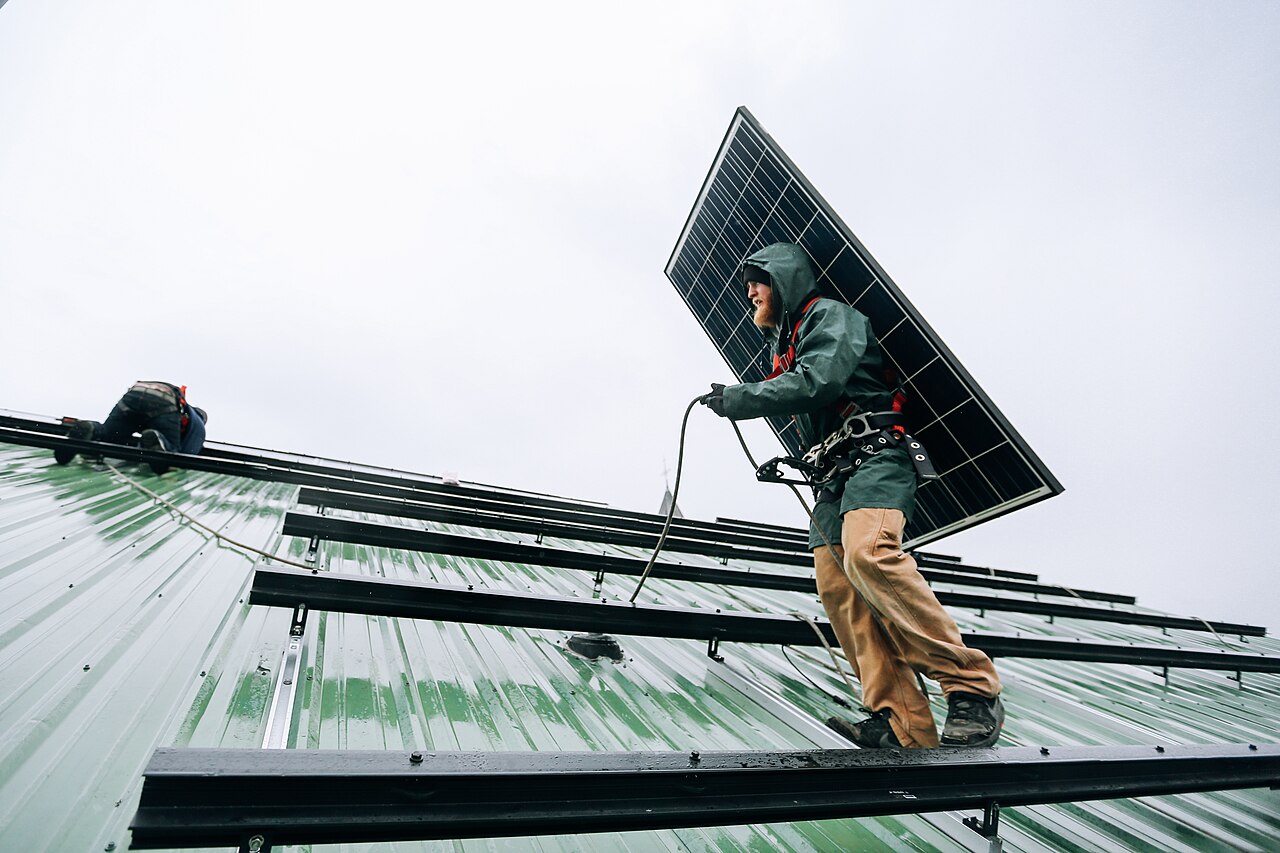
Done right, on a fresh roof, that is not a problem. Good installers use flashed mounts and the shingles around them are new and pliable. Done on a tired roof, it is a different story. Every one of those bolts is a spot where an aging, brittle shingle has been disturbed, and a roof near the end of its life does not seal back around a new penetration the way a new one does. This is the same principle behind why roofs leak around the chimney: water finds the interruptions, not the open field of shingles. More interruptions on an older roof is simply more risk.
The Warranty Trap: One Leak, Two Companies Pointing Fingers
This is the part homeowners never see coming, and it is worth more than any dollar figure. Once panels are on your roof, you have two companies with their names on it: the roofer and the solar installer. When a leak shows up under the array two years later, watch what happens. The solar company says it is a roofing defect. The roofer says the leak is at a mounting bolt the solar crew drove. You are standing in the middle with a wet ceiling and two invoices that both start with "that is not covered under our warranty."
Replacing the roof first cuts that knot cleanly. You get a new roof with its own manufacturer and workmanship warranty, fully intact, before anyone touches it. Then the solar goes on. If something leaks at a mount, it is clearly the solar attachment, not a worn-out roof. One clean roof, one clear line of responsibility. When we do a residential roof for a homeowner who is heading toward solar, that clarity is half of what they are buying.
A Quick Decision Guide by Roof Age
You do not need a complicated formula. For a typical North Georgia asphalt roof, here is the guidance I give my own neighbors when they ask.
The middle row is where most people land, and it is the one worth an actual look. A 12-year-old roof can have a decade of life left or it can be three hard summers from done, and you cannot tell the difference from the driveway. Some of the warning signs are the same ones in our guide to when you need a new roof: curling edges, granules collecting in the gutters, and dark, worn spots on the sun-facing slopes.
Georgia Specifics: Heat, Hail, and What Solar Does to the Shingles Under It
A few things are particular to putting solar on a North Georgia roof.
Our heat is the main reason to check the roof's age. Shingles here age faster than the box they came in promises, because the sun and a warm attic work on them from both sides. The 25-year shingle is often a 22-year shingle in practice. That pushes more homeowners into the "replace first" column than they expect.
Hail is a real factor, and it cuts both ways. North Georgia gets hail, and hail can crack panels just like it bruises shingles. The upside is that the roof area covered by panels is shielded, so that section of shingles is protected from both hail and sun. The exposed field around the array still ages normally, which is another reason a whole, uniform roof underneath makes the most sense. If a storm does come through after your panels are up, our walkthrough of what to do after storm damage still applies, with the added step of having the solar company inspect the array.
A solar-covered roof is harder and more expensive to service. Any repair under the panels means detaching part of the array first. Starting with a sound roof is how you avoid needing a repair under there in the first place.
A Quick, Honest Word on the Tax Credit
Solar salespeople sometimes suggest a new roof can be rolled into the federal solar tax credit. Be careful with that. The roof itself has generally never qualified for the credit, which applies to the solar equipment and the work directly tied to it, not to reroofing your house. On top of that, the federal residential solar credit changed at the end of 2025, so the incentive landscape is not what it was a year ago. I am a roofer, not a tax advisor, so treat this as a flag rather than advice: confirm the current credit and exactly what qualifies with your solar installer and your own tax professional before you count on any of it. Do not let a projected tax break decide the roofing question. The roof math stands on its own.
Start With an Honest Look at Your Roof
Here is the bottom line after 24 years of this. Solar is a 25-year-plus commitment, and it is only as sound as the roof holding it up. Sort the roof out first and the whole project gets simpler: no detach and reset bill down the road, no two-company finger-pointing over a leak, and a clean deck with decades of life ahead of it.
You do not have to guess where your roof stands. There are two easy ways to find out.
If you just want a ballpark before anyone comes out, use our instant roof quote. You enter your address, and we measure your actual roof from current aerial imagery, the square count, the pitch, and the facets, and email you a report with a price range in three material options. It takes about a minute and nobody comes to your house. It is the same aerial approach a solar designer uses to lay out your panels.
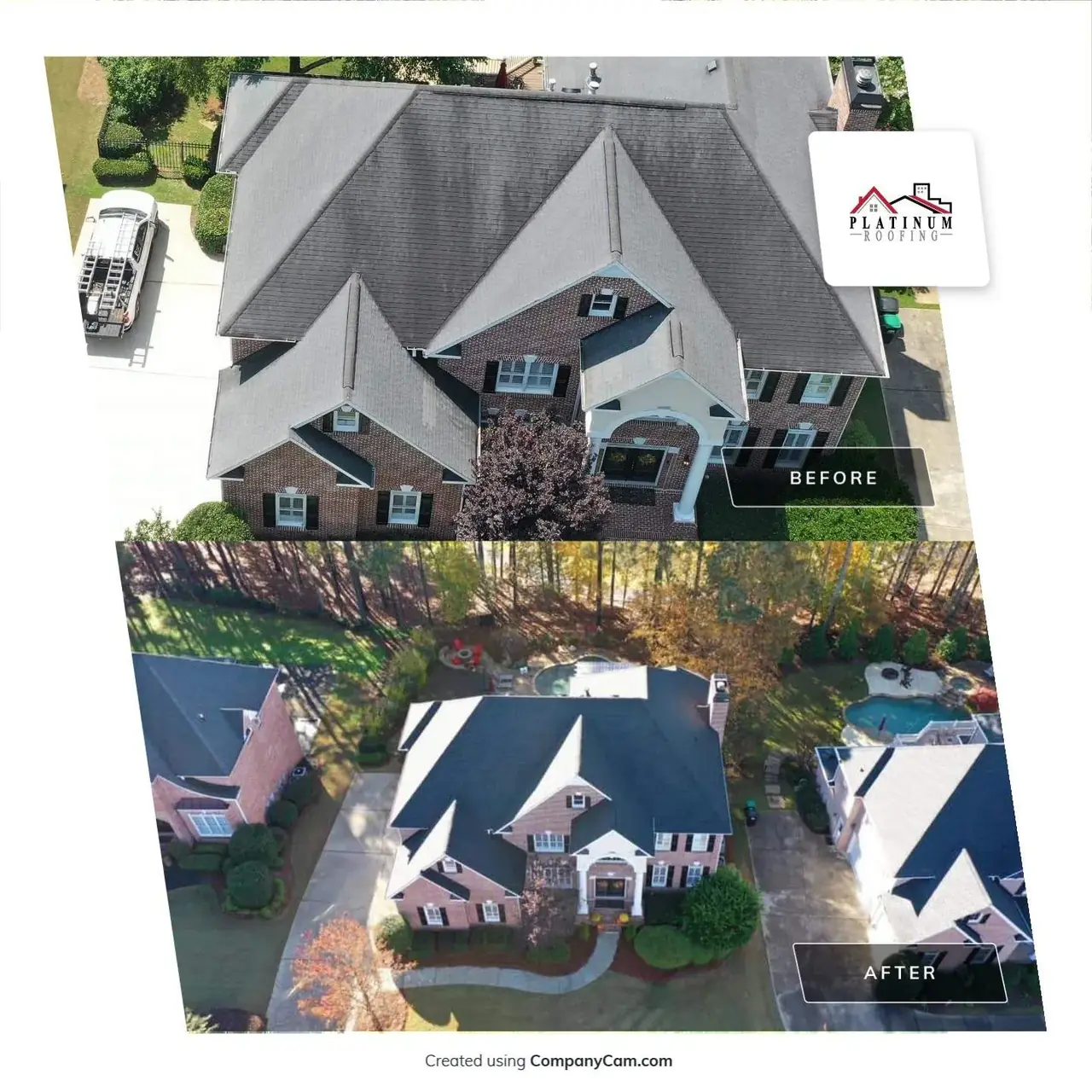
When you are ready for the real answer, book a free roof inspection. We get on the roof and into the attic and tell you exactly how many years it has left, so you know whether to install solar now or replace first. Our guide to what a free inspection covers walks through the whole thing. Either way you will know, and knowing is the difference between a solar project that goes on once and one that has to come apart.
We cover Canton, Woodstock, Holly Springs, Ball Ground, Jasper, Roswell, Alpharetta, Milton, Johns Creek, Marietta, Kennesaw, and the rest of the eleven North Georgia counties we serve. Call Platinum Roofing at (770) 419-5714, book your free inspection online, or price your roof instantly before you sign a solar contract. We are a family business that has cared for North Georgia roofs since 2000, and we would be glad to make sure yours is ready for what you are about to put on it.
Frequently Asked Questions
Do I really need to replace my roof before installing solar panels?
Only if your roof will not outlast the panels. Solar panels last about 25 to 30 years, so the roof under them needs at least that much life left. If your roof is newer than roughly 10 years and in good condition, you are fine to install solar now. If it is over 15 years old, or you already see wear or have had leaks, replacing it first is almost always the smarter move, because taking a full array back off later to reroof is expensive and avoidable.
How much does it cost to remove and reinstall solar panels to replace a roof?
For a typical home it runs about $2,500 to $6,000, usually billed per panel, and that is on top of the cost of the roof itself. The industry term is a detach and reset. It is pure added cost that buys you nothing, which is exactly why sequencing the roof before the solar saves real money. You also lose power production during the weeks the panels are down.
What roof lasts long enough to put solar on?
A new architectural shingle roof gives you a solid 22 to 25 years in North Georgia's heat, which is a reasonable match for the panels. Designer or premium shingles push to about 30 years, and standing seam metal can run 40 to 70 years, so both comfortably outlast the array. A 3-tab roof, at roughly 15 to 18 years, is usually too short-lived to be a good base for solar. Our guide to the best roofing materials for Georgia compares them in detail.
Will solar panels damage or leak my roof?
Not on a sound roof installed by a good crew. Panels mount on rails that are bolted through the roof and flashed, so the water protection depends on those flashings being done correctly on shingles that still seal well. On an aging, brittle roof there is more risk, because old shingles do not reseal around a new penetration the way fresh ones do. Starting with a new roof and quality flashed mounts is how you keep it dry.
Does a new roof qualify for the federal solar tax credit?
Generally no. The credit applies to the solar equipment and the work directly tied to it, not to reroofing your home, and the federal residential solar credit also changed at the end of 2025. Do not let a promised tax break decide whether to replace your roof. Confirm the current credit and what actually qualifies with your solar installer and a tax professional, and make the roofing decision on the roof's own merits.
How do I know how many years my roof has left?
The reliable way is a free inspection, where a roofer gets on the roof and into the attic and assesses the shingles, flashing, decking, and ventilation to estimate the remaining life. If you just want a quick ballpark first, our instant roof quote measures your roof from aerial imagery in about a minute. Between the two, you will know whether your roof is ready for solar or should be replaced first before you commit to a solar contract.

About the Author
Robert Shelby
Fourth-generation roofer who founded Platinum Roofing in 2000. Meet the Platinum Roofing team →