Insurance Claims
Does Homeowners Insurance Cover Roof Replacement in Georgia? A Claims Guide From Our Office
By Amy Frix · June 21, 2026 · 13 min read
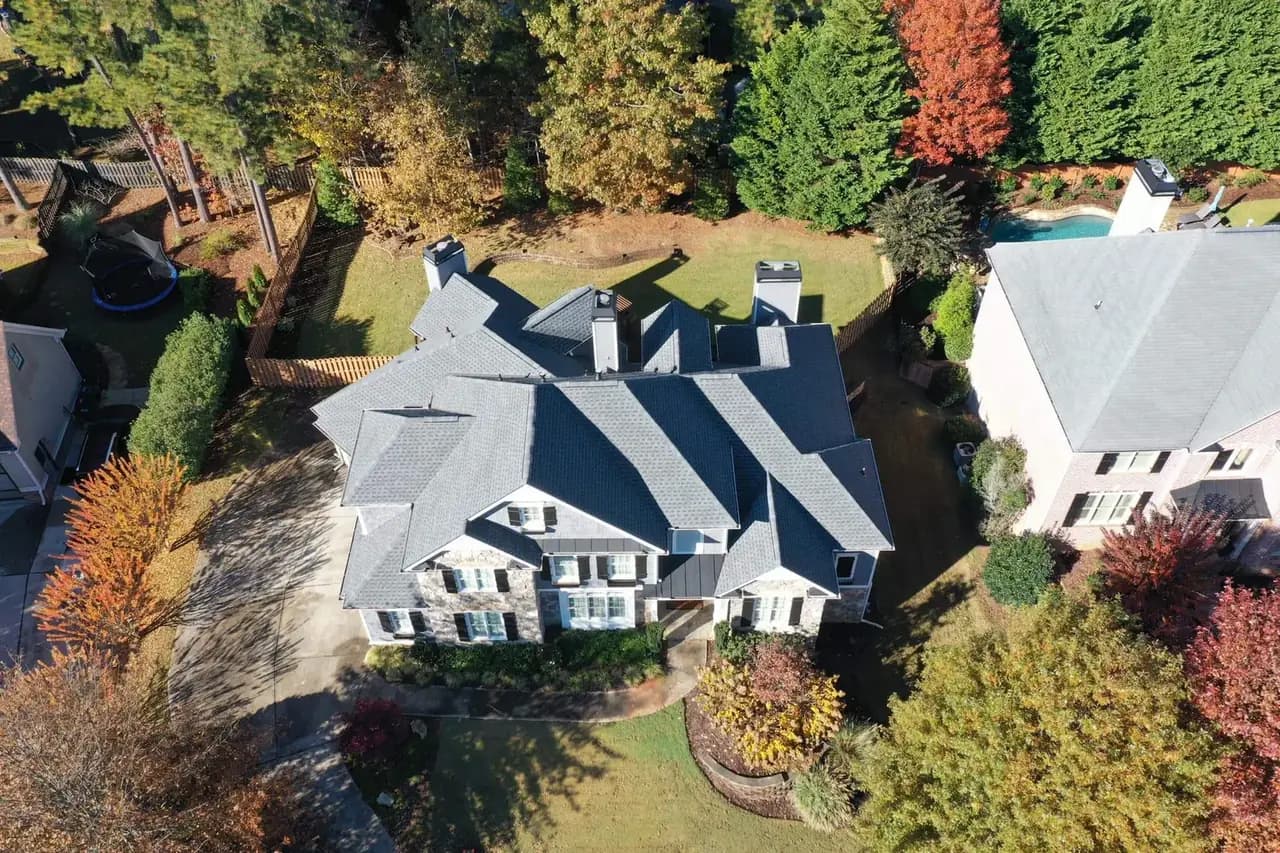
I am Amy Frix, the Office Manager at Platinum Roofing in Canton, and I sit on the other side of the roof from our crews. My desk is where the insurance paperwork lands. I am the one who reads your policy with you, walks you through the adjuster meeting, and tracks every check from the first payment to the last. After a hailstorm rolls through North Georgia, the most common question that reaches my phone is simple: "Will my homeowners insurance actually pay for this?"
The honest answer is "usually yes, but only under specific conditions, and only if the paperwork is done right." This guide is the same explanation I give homeowners across Cherokee, Cobb, and Fulton counties every storm season, written out so you can read it before you ever pick up the phone.
The Short Answer: Yes, If the Damage Was Sudden and Accidental
A standard Georgia homeowners policy (the HO-3 most of us carry) covers your roof when the damage comes from a sudden, accidental event the policy calls a "covered peril." In our area that almost always means wind, hail, or a fallen tree. What insurance will not pay for is wear and age. If your shingles simply reached the end of a 20-year life, that is maintenance, not a claim, and the insurer will treat it that way.
That single distinction, sudden damage versus gradual wear, decides most of the claims I handle. Here is how the causes break down for the roofs we replace through insurance in North Georgia.
ACV vs. RCV: The Two Numbers That Decide Your Out-of-Pocket Cost
This is the part of the policy that surprises people the most, so I always explain it before we start. Your roof claim is paid on one of two bases, and your declarations page tells you which one you have.
Replacement Cost Value (RCV) pays what it actually costs to replace your roof today, minus your deductible. This is the good coverage, and most newer policies in Georgia carry it.
Actual Cash Value (ACV) pays the replacement cost minus depreciation for the age and condition of the roof. On a 15-year-old roof, that depreciation can be steep, and the homeowner covers the gap. Older policies and some wind-and-hail endorsements are written this way.
With an RCV policy, the money usually arrives in two checks, and understanding that timing keeps people from panicking when the first check looks too small.
This is also why a contractor who offers to "waive" or "eat" your deductible is a red flag, not a deal. In Georgia that is insurance fraud, and it tells you exactly how that company treats the rest of the job. We walk through the real version of this in our guide on how to spot roofing scams and storm chasers.
The Step-by-Step Claim Process
Here is the exact order I keep North Georgia homeowners moving through. Do these in sequence and the claim stays clean.
1. Take care of safety and emergency repairs first
If the roof is actively leaking, your job is to stop further damage, not to wait for an adjuster. Move belongings, place buckets, and call for emergency tarping if water is coming in. Insurers expect you to mitigate, and they reimburse reasonable emergency measures. Our emergency roofing crew handles the tarp so the inside of your home is protected while the claim runs.
2. Document everything before anyone touches the roof
Photos, dates, and notes are the backbone of a claim. Capture wide shots of the home, close-ups of damaged areas, fallen limbs, dented gutters, and any interior water stains. Save receipts for tarps, fans, or anything you bought to limit the damage. The more you document, the less there is to argue about later.
3. Get a professional inspection from a local roofer
Before you file, have a licensed Georgia roofer inspect the roof and tell you whether the damage is genuinely a covered loss. This one step saves people from filing a claim that gets denied (which still counts against your record) or from missing real damage that the eye on the ground cannot see. We give you photos and a clear, honest assessment so you go into the claim knowing what is actually up there.
4. File the claim with your own insurance company
You call your insurer, or file through their app, and report the date and cause of loss. They open a claim and assign an adjuster. Keep the claim number and write down every name and date. You stay in control of this claim the entire time. Never sign it over to a contractor in your driveway.
5. Meet the adjuster, and have your roofer there
The insurance adjuster comes to verify the damage and write a scope of repairs. This is the most important appointment in the whole process, and it is the one I make sure a Platinum Roofing representative attends with you. When our roofer and the adjuster walk the roof together, the damage gets seen accurately and the scope reflects the real work needed.
6. Review the scope, then schedule the work
Once the claim is approved you receive the scope and the first payment. We review it line by line, flag anything missing (a supplement, if the adjuster left out a vent, flashing, or code-required upgrade), and then schedule your roof replacement with a written contract and warranty.
7. Final invoice and the depreciation check
After the new roof is on, we submit the final documentation. On an RCV policy, that releases the second check, the recoverable depreciation. Your out-of-pocket cost lands back at just your deductible.
Roughly How Long Does It Take?
Every claim is different, but here is the timeline I quote so people can plan. The slow part is almost always the insurer, not the roof.
Why Roof Claims Get Denied (And How to Avoid It)
A denial is not always the final word, but it is far easier to never trigger one. These are the reasons I see most often.
| Reason for denial | How to avoid it |
|---|---|
| Damage ruled wear and age | Get a professional inspection so you file only genuine storm losses |
| Missed the filing deadline | Report the loss promptly, ideally within days of the storm |
| Poor or missing documentation | Photograph everything before any repair touches the roof |
| Pre-existing damage not maintained | Keep up routine maintenance and small repairs over time |
| Unpermitted or improper prior work | Use licensed, insured contractors so the roof history stays clean |
| Deductible "waived" by contractor | Never accept a deductible waiver; it can void the claim and is fraud |
A few Georgia-specific notes worth knowing. Most property claims here fall under a statute of limitations, so do not sit on a loss for months. Watch your deductible type, because many North Georgia policies now carry a separate, percentage-based wind-and-hail deductible that is larger than your standard one. And if your roof is partially damaged, matching can become a sticking point; an experienced roofer helps document why a patch of mismatched shingles is not an acceptable repair.
How We Handle the Paperwork With You
I will be candid about what we do and do not do, because that honesty is the whole point of this article. We are roofers, not your insurance company, and we never control your claim. What we do is stand beside you: we inspect the roof and tell you the truth about the damage, we attend the adjuster meeting so the scope is accurate, we prepare clean documentation and supplements when the scope misses something, and we schedule the work the moment you are approved. You stay in charge of your claim and your money. We just make sure nothing falls through the cracks.
If a storm has come through your neighborhood and you are wondering whether it is a real claim or just a worry, call Platinum Roofing at (770) 419-5714 for a free, no-pressure inspection, or contact our office and ask for me. I will make sure you understand your options before you ever file. You can also see the kind of work these claims pay for in our project portfolio, read what to do in the first hours after a storm, and check that we cover your North Georgia town.
Frequently Asked Questions
Does homeowners insurance cover a full roof replacement in Georgia?
Yes, when the damage comes from a covered peril such as wind, hail, or a fallen tree, a standard Georgia HO-3 policy generally covers repair or full replacement, minus your deductible. It does not cover replacement due to normal age and wear, which is treated as homeowner maintenance. A professional inspection before you file tells you which situation you are in.
Will filing a roof claim raise my insurance premium?
It can, especially if you file multiple claims in a short period, but a single legitimate storm claim in an area hit by a widespread weather event is common and often does not single you out. The bigger risks to your record are filing a claim that gets denied or filing for damage that turns out to be wear and age. That is why we recommend a professional inspection first, so you only file genuine covered losses.
What is the difference between ACV and RCV on a roof claim?
Replacement Cost Value (RCV) pays the full cost to replace your roof today minus your deductible, usually in two checks. Actual Cash Value (ACV) pays the replacement cost minus depreciation for the roof's age and condition, and the homeowner covers the gap. Your policy declarations page states which one you carry, and it makes a large difference in your out-of-pocket cost.
How long do I have to file a roof insurance claim in Georgia?
Report the loss as soon as you reasonably can, ideally within days of the storm. Property claims in Georgia are subject to a statute of limitations and to your policy's own notice requirements, and waiting can give the insurer grounds to argue the damage was not storm-related. Prompt documentation and filing protect the claim.
Should I let my roofer talk to the insurance adjuster?
You should have your roofer present at the adjuster inspection. When a licensed roofer and the adjuster walk the roof together, the damage is assessed accurately and the repair scope reflects the real work needed. Your roofer cannot and should not take over your claim, but their presence at that one appointment often makes the difference in a fair, complete scope.
What if my roof claim gets denied?
A denial is not always final. Review the denial letter for the stated reason, gather additional documentation or an independent inspection, and you can request that the insurer re-examine the claim. Many denials trace back to thin documentation or damage being labeled wear and age, both of which a thorough, photo-backed inspection can address.

About the Author
Amy Frix
Office Manager at Platinum Roofing who guides North Georgia homeowners through roof insurance claims, adjuster meetings, scheduling, and paperwork. Meet the Platinum Roofing team →