Roofing Materials
How Long a Roof Lasts in Georgia by Material, Plus the Age Signs to Watch
By Robert Shelby · September 6, 2026 · 14 min read
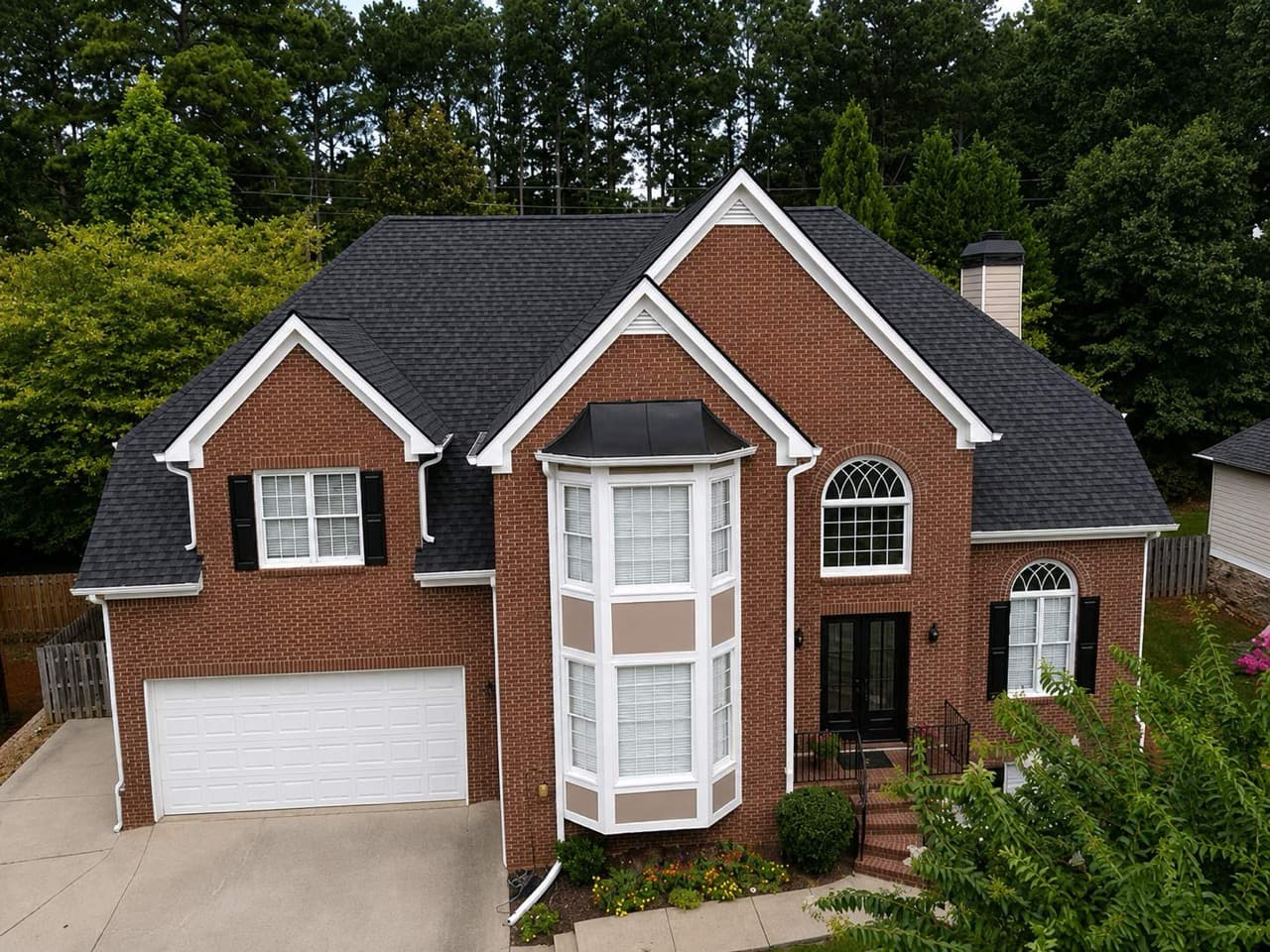
Ask ten homeowners in Cherokee County how long their roof should last and you will get ten different answers, most of them wrong in the same direction: too optimistic. The real number depends on what the roof is made of, how well it was installed, and how hard Georgia weather works on it. A builder-grade 3-tab shingle roof and a standing seam metal roof can sit two houses apart on the same street and be separated by forty years of service life.
I am a fourth-generation roofer working out of Canton, and I have pulled roofs off homes that were fifteen years past due and inspected others that had another decade left in them. This guide gives you the honest numbers by material, the reasons a Georgia roof ages faster than the box the shingles came in would suggest, and the signs you can read from your own driveway to tell where yours stands.
Asphalt Shingles: What Most Georgia Roofs Are Made Of
Roughly nine out of ten homes I look at wear asphalt shingles, so this is the number that matters to most families. There are two kinds, and the gap between them is bigger than most people expect.
3-tab shingles are the flat, uniform, builder-grade shingle. They are the cheapest to install and the first to go, usually 15 to 20 years here, and often the low end of that in full Georgia sun. If your home was built to a budget in the early 2000s, there is a good chance this is what is up there, and it is likely near the end of its run.
Architectural shingles, also called dimensional or laminated, are thicker, layered, and heavier. They shed water better, hold up to wind better, and last 22 to 30 years in our climate. Almost every roof we install today is architectural, because the extra cost at install buys close to a decade of extra life. The photo below shows the layered look that sets them apart: tabs of different widths and a blended color, instead of the flat, even rows of a 3-tab roof.
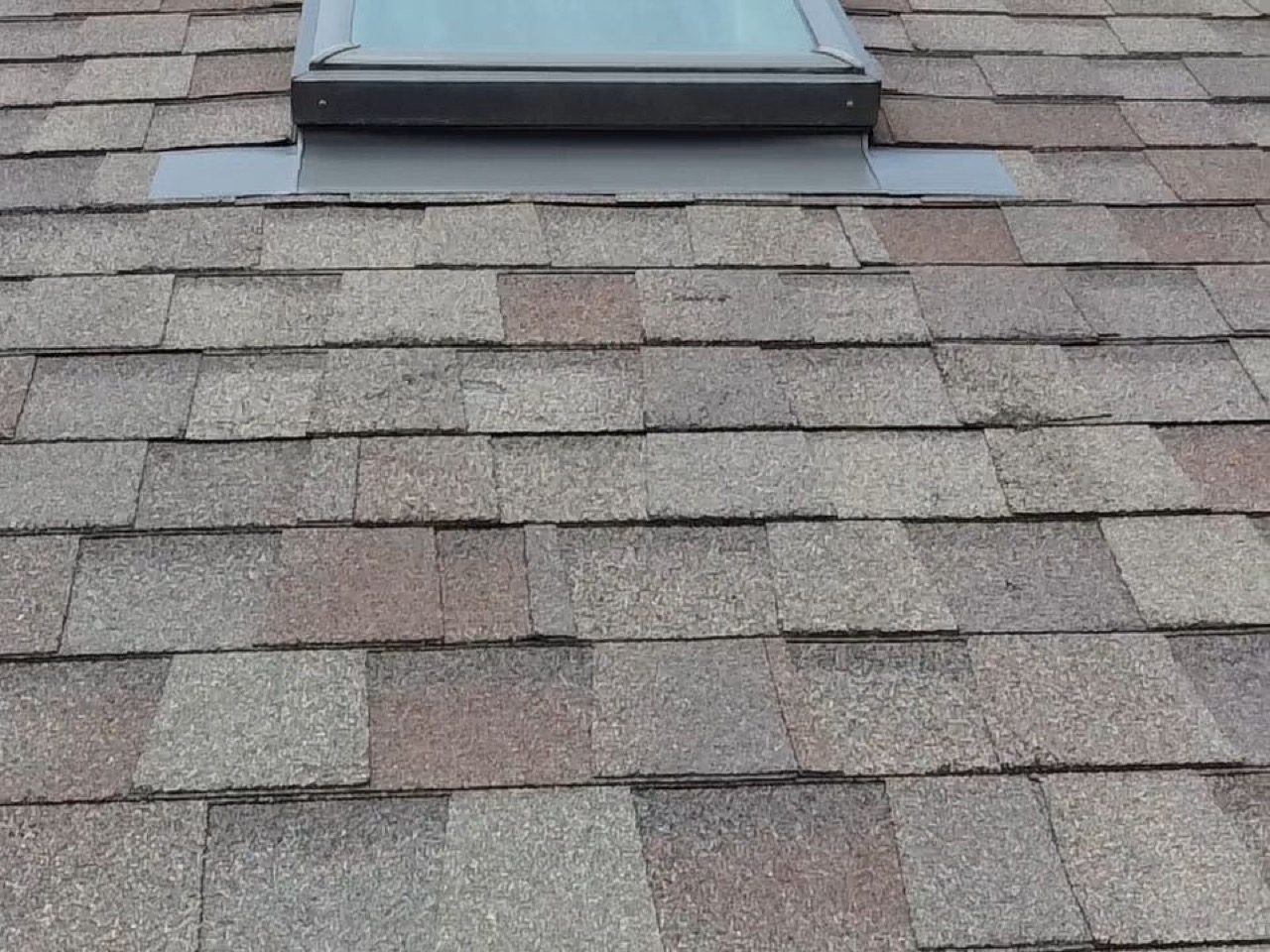
Photo: Platinum Roofing. A dimensional asphalt roof around a skylight. This is the most common roofing material on North Georgia homes.
Metal Roofs: The Long Game
A standing seam metal roof is the closest thing to a buy-it-once roof for a typical home. In Georgia it runs 40 to 70 years, which means a homeowner in their forties can put one on and reasonably never buy another roof. It sheds our summer downpours fast, it will not grow the black algae streaks that stain shingles, and it stands up to wind that lifts shingle tabs.
There is a catch worth knowing: not all metal is equal. The standing seam style, where the fasteners are hidden under the raised seams, is the one that reaches those long numbers. The exposed-fastener panels you see on barns and some budget installs rely on rubber washers that dry out and leak, and those land closer to 25 to 40 years. If someone quotes you a metal roof, ask which one.
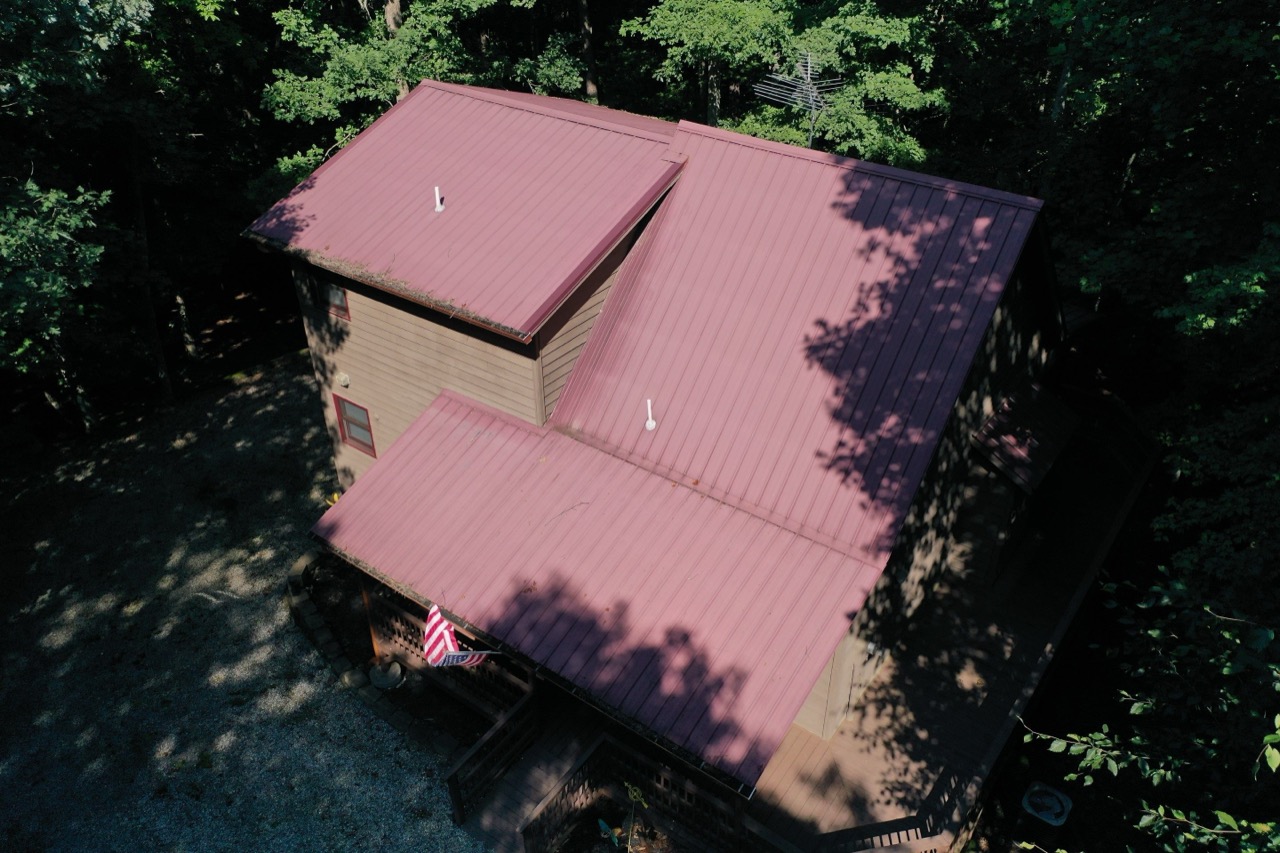
Photo: Platinum Roofing. A metal roof on a wooded home in the North Georgia mountains. Metal sheds rain fast and does not grow the algae that stains shingles.
Tile, Slate, and Wood: The Premium and the Niche
Concrete and clay tile last 40 to 75 years or more, and slate can pass a century. You see them on higher-end and custom homes around metro Atlanta. Both are heavy enough that the house has to be framed for the weight, so they are rarely a swap-in choice on an existing shingle home. One honest note: with tile and slate, the tiles often outlive the underlayment and flashing beneath them, so a good roof of this kind still needs a mid-life service to replace what sits under the surface.
Wood shake sits at 20 to 30 years and has largely faded out here. It looks handsome when new, but it demands real upkeep, and in a hot, humid, storm-prone state it is a lot of maintenance for a lifespan an architectural shingle matches for less money.
Flat and Low-Slope Roofs
Most flat and low-slope roofs in our area are on commercial buildings, additions, and porches, and they use a membrane rather than shingles. A single-ply membrane like TPO or a modified bitumen system typically gives 15 to 25 years. The number depends heavily on drainage, because standing water is what shortens a flat roof. If you own a commercial building, our commercial roofing team handles these, and the maintenance rhythm is different from a house.
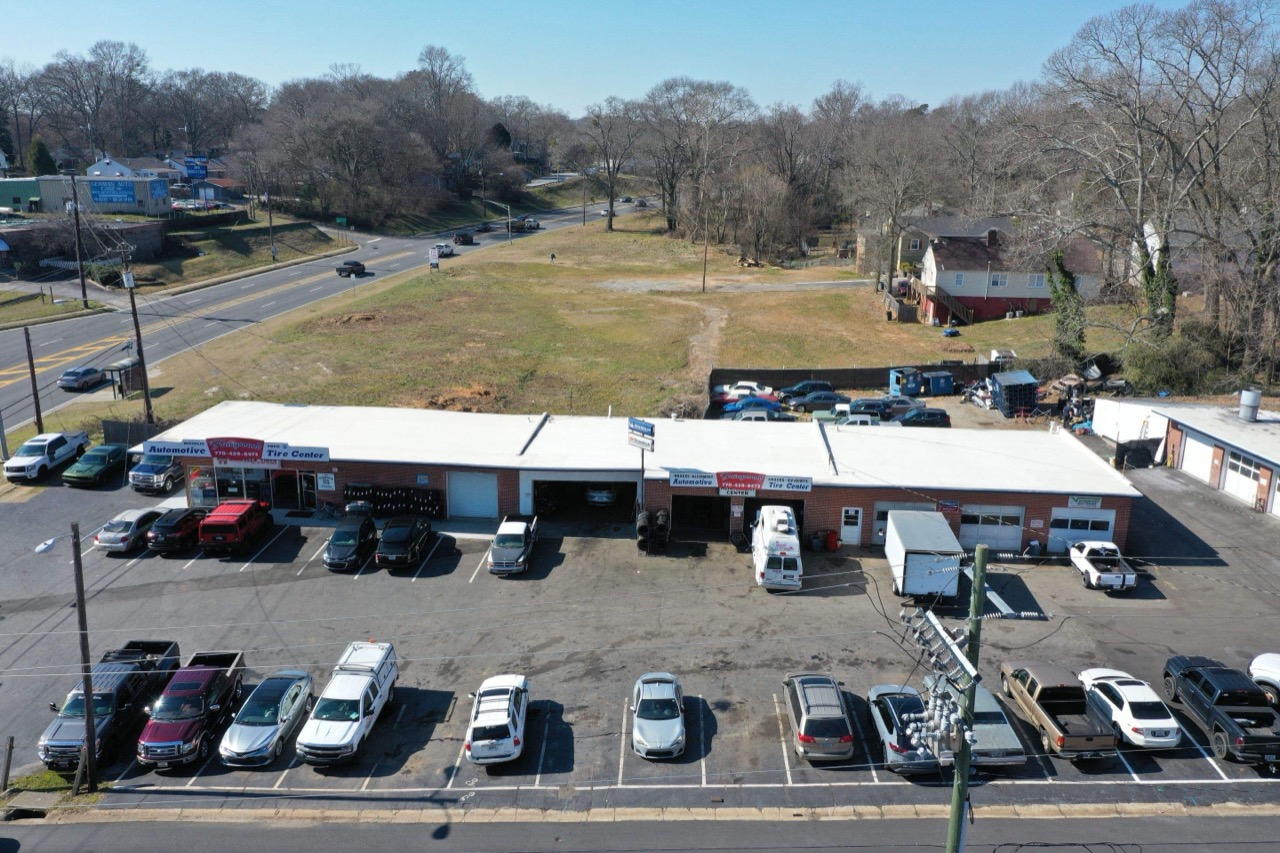
Photo: Platinum Roofing. A low-slope commercial roof, where drainage matters more than almost anything else.
Why a Georgia Roof Ages Faster Than the Warranty Suggests
Here is the part the shingle wrapper leaves out. That "30-year shingle" number is a manufacturer rating measured under lab conditions, not a promise about a roof baking on a house in Woodstock. Four things in our climate pull the real number down.
- Heat and sun. Georgia gives a roof long, brutal summers. UV and heat cook the asphalt, dry out the oils that keep shingles flexible, and drive the daily expand-and-contract cycle that loosens granules. South-facing and west-facing slopes almost always wear out first.
- Humidity and shade. Our damp air feeds the algae that shows up as black streaks, and it feeds moss in the shady spots under trees. Both hold moisture against the roof and speed its decline.
- Storms. Spring hail and straight-line wind take years off a roof in an afternoon by bruising shingles and breaking the seals that hold tabs down. If you have been through a storm, the age math changes, and our guide to spotting storm damage is worth a read.
- Attic ventilation. A poorly vented attic traps heat under the deck and cooks the shingles from below, which can cut years off an otherwise good roof. It is the most overlooked factor of the four, and we cover it in why attic ventilation matters.
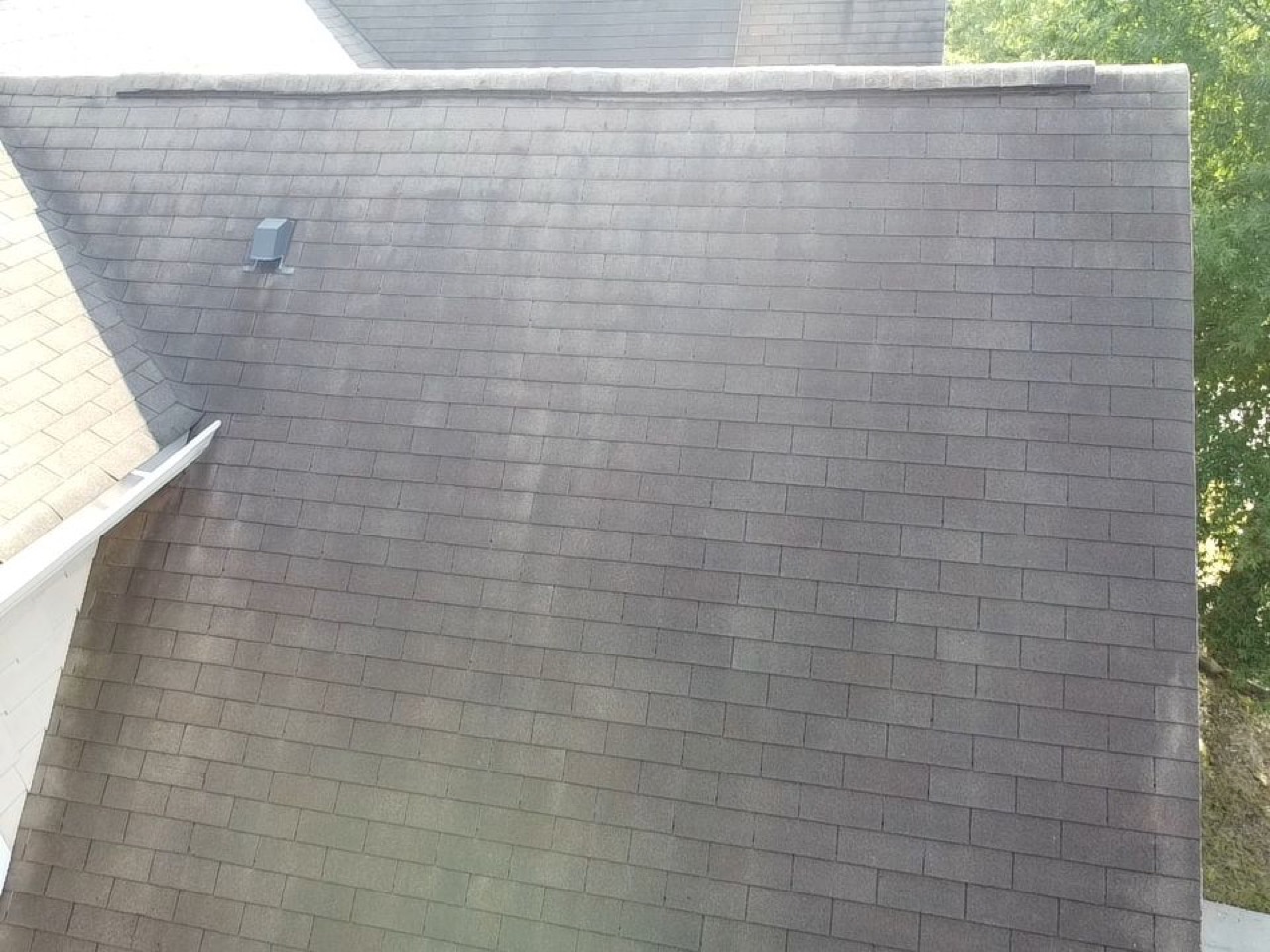
Photo: Platinum Roofing. Dark algae streaking is a Georgia humidity signature and a sign a roof is well into its second half.
The Age Signs You Can Read From the Ground
You do not need to climb up to get a first read on your roof. Stand back in the driveway, and after the next storm walk the perimeter, and look for the same things I look for.
The clearest early tell is granule loss. Those granules are the sunscreen for the asphalt underneath, and once they wash off, the exposed spot ages years faster than the roof around it. From the ground it shows as darker, uneven patches, like the ones in the photo below.
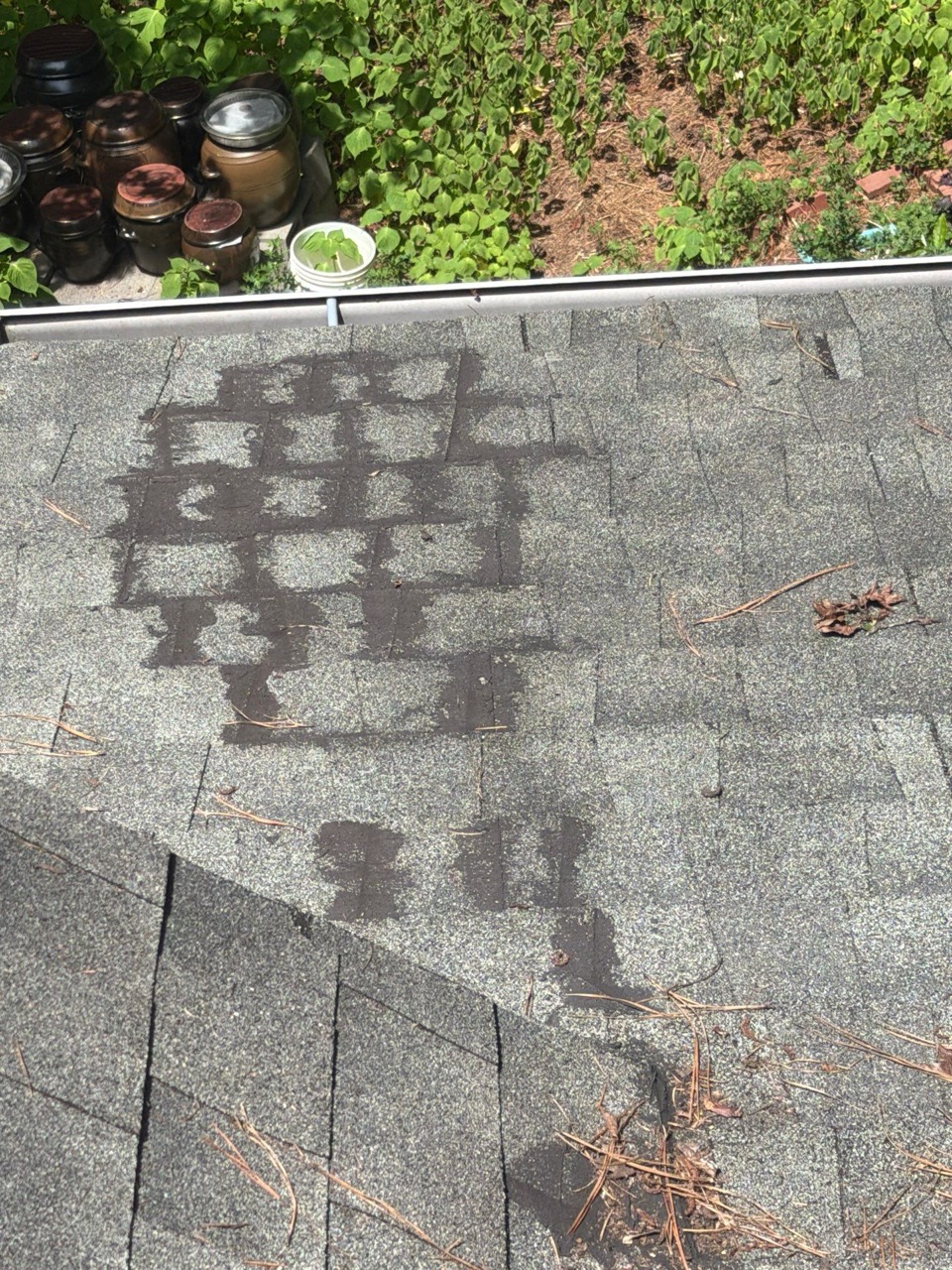
Photo: Platinum Roofing. Dark, uneven patches on an aging shingle roof in Johns Creek. Spots like these are where we look first for worn granules.
The next tell is shape. New shingles lie flat and sealed. Old ones curl at the corners, cup in the middle, or claw upward as the mat dries out and shrinks. Curling tabs have broken their seal, and a shingle that no longer seals is a shingle that lets wind-driven rain get behind it.
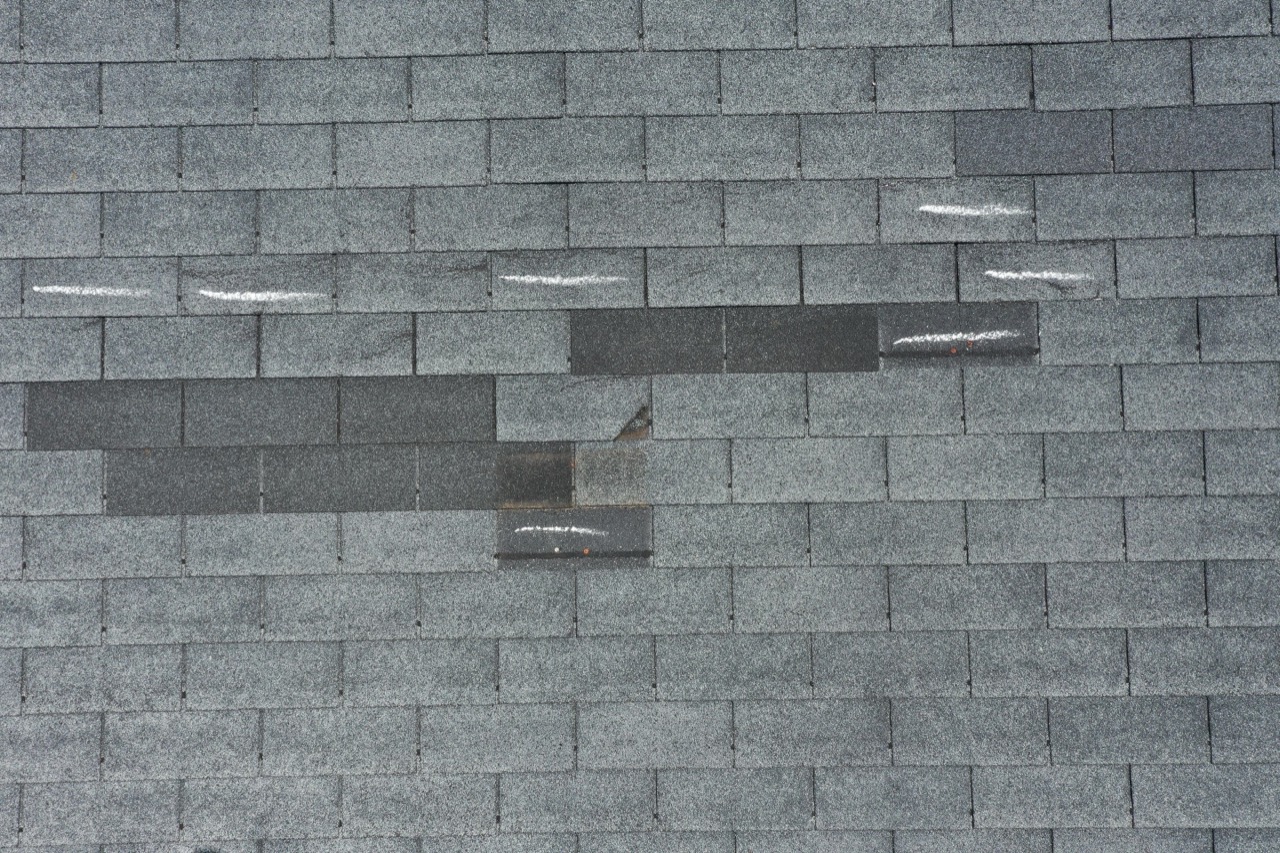
Photo: Platinum Roofing. Lifted and creased tabs marked in chalk during an inspection, next to darker shingles from earlier patch repairs. Once a tab's seal breaks, wind-driven rain can get behind it.
None of these signs alone means you need a roof tomorrow. Read together, and matched against the age of the roof, they tell you where you are on the timeline and how much runway is left. If you are weighing a fix against a full replacement, our guide to repair versus replacement walks through how to decide.
When Age Becomes Urgent, and What To Do
If your roof is asphalt and past 20 years, or you are seeing two or three of the signs above together, it is time to have it looked at by someone who will tell you the truth. A roof at the end of its life does not always leak on the day it fails. It leaks in the middle of the next hard winter, long after the easy window to plan for it has closed.
Here is the good news: you do not have to guess. We inspect roofs for free across Canton and metro Atlanta, and a fair number of the roofs we look at turn out to have years left, which is a perfectly good outcome for everyone. You keep the photos and the written assessment either way. If you would rather start with a ballpark, our online tool gives you a fast estimate before anyone climbs a ladder.
Book a free roof inspection or get an instant quote online. You can also reach our team directly at (770) 419-5714, and we will give you a straight answer about how much life your roof has left.
Frequently Asked Questions
How long does a roof last in Georgia?
It depends on the material. Most Georgia homes have asphalt shingles: builder-grade 3-tab lasts about 15 to 20 years here, and thicker architectural shingles last about 22 to 30 years. Standing seam metal runs 40 to 70 years, tile and slate can last well beyond that, and flat membrane roofs on commercial buildings and additions give roughly 15 to 25 years. Georgia's heat, humidity, and storms tend to push every one of those numbers toward the lower end.
Does my roof really last as long as the warranty says?
Usually not. A "30-year shingle" is a manufacturer rating measured in a lab, not a guarantee about a roof exposed to full Georgia sun, humidity, and hail. In practice a 30-year architectural shingle here delivers more like 22 to 30 years of real service, and a poorly ventilated attic or a big storm can shorten that further. Treat the printed number as a ceiling, not a promise.
How long does a metal roof last in Georgia?
A standing seam metal roof, where the fasteners are hidden under the seams, typically lasts 40 to 70 years in our climate, which is why many homeowners who install one never buy another roof. Exposed-fastener metal panels are cheaper but rely on rubber washers that dry out over time, so those land closer to 25 to 40 years. If you are comparing metal quotes, ask which style you are getting.
Can I make my roof last longer?
Yes, and it is mostly about upkeep and airflow. Keep your gutters clear so water drains instead of backing up under the shingles, make sure your attic is properly vented so heat is not cooking the deck from below, trim branches that drop debris and shade, and have any storm damage looked at promptly before it spreads. None of it is expensive, and together it can add years to a roof.
How do I know if my roof is near the end of its life?
Start with its age and the signs you can see from the ground: dark algae streaks, curling or clawing shingle edges, bald spots where granules have worn off, coarse grit piling in the gutters, and any cracked or missing shingles. Any water stain or daylight in the attic means act now regardless of age. If your asphalt roof is past 20 years and showing two or more of these, it is time for a professional look.
Is a free inspection really free?
Yes. No fee, no deposit, and no obligation to buy anything. We inspect roofs for free because it is how we meet homeowners, and because a good share of the roofs we look at turn out to be fine, which suits us just fine. You keep the photographs and the written assessment whether or not you ever hire us.

About the Author
Robert Shelby
Fourth-generation roofer who founded Platinum Roofing in 2000. Meet the Platinum Roofing team →