Roof Repair
Squirrels, Raccoons, and Your Roof: How Animals Get In Each Fall (and How We Seal Them Out)
By Robert Shelby · October 27, 2026 · 19 min read
Every fall, a certain kind of phone call picks up at our office. It usually starts with, "This is going to sound strange, but I keep hearing something in the ceiling." Scratching above the bedroom at dawn, or a neat, round hole at the corner of the roof that was not there in the spring.
Our crews have worked on roofs across Cherokee, Cobb, and North Fulton counties since 2000, and if you live anywhere near the woods in North Georgia (which is most of us), you share your neighborhood with a lot of gray squirrels and raccoons. Most of the year they leave your house alone. In the fall, some of them start looking for a warm, dry place to spend the winter and raise their next family, and a roof with a soft spot looks like an open invitation. Here is how they get in, who to call for what, and how we close a roof up for good.
Why Fall Is When They Move In
The timing follows the breeding calendar of the two animals we see most.
Gray squirrels are the most common squirrel in Georgia, and according to the state's Wildlife Resources Division they have two breeding peaks a year: one in late winter and one in late summer. A long-running Virginia study of gray squirrel nests, published by the Southeastern Association of Fish and Wildlife Agencies, put the births in February and March and again in July and August, and found that latitude has little effect on that schedule. The young stay in the nest for 10 to 12 weeks, according to Alabama Cooperative Extension. So a summer litter is growing up through September and October, and by late fall those young squirrels are out looking for dens of their own.
Raccoons, according to Georgia DNR, breed mostly in February and March, though breeding can happen any time from December to June. Kits are born about 63 days later and are weaned at 10 to 12 weeks. DNR notes that raccoons normally den in hollow trees and brush piles but "will readily use human structures like a barn, an attic, or an abandoned building."
Put those two calendars side by side and a window opens up.
That green stretch is the reason we talk about this in the fall. By November, most of the summer squirrels have left the nest, and the late-winter litters have not been born yet. Alabama Extension warns that excluding a mother squirrel while her young are still inside can leave the young trapped in the attic, which is bad for the animals and worse for your house. Sealing in the green window avoids that, and the roof is closed before the next litters arrive in February.
Where Animals Get Into a Roof
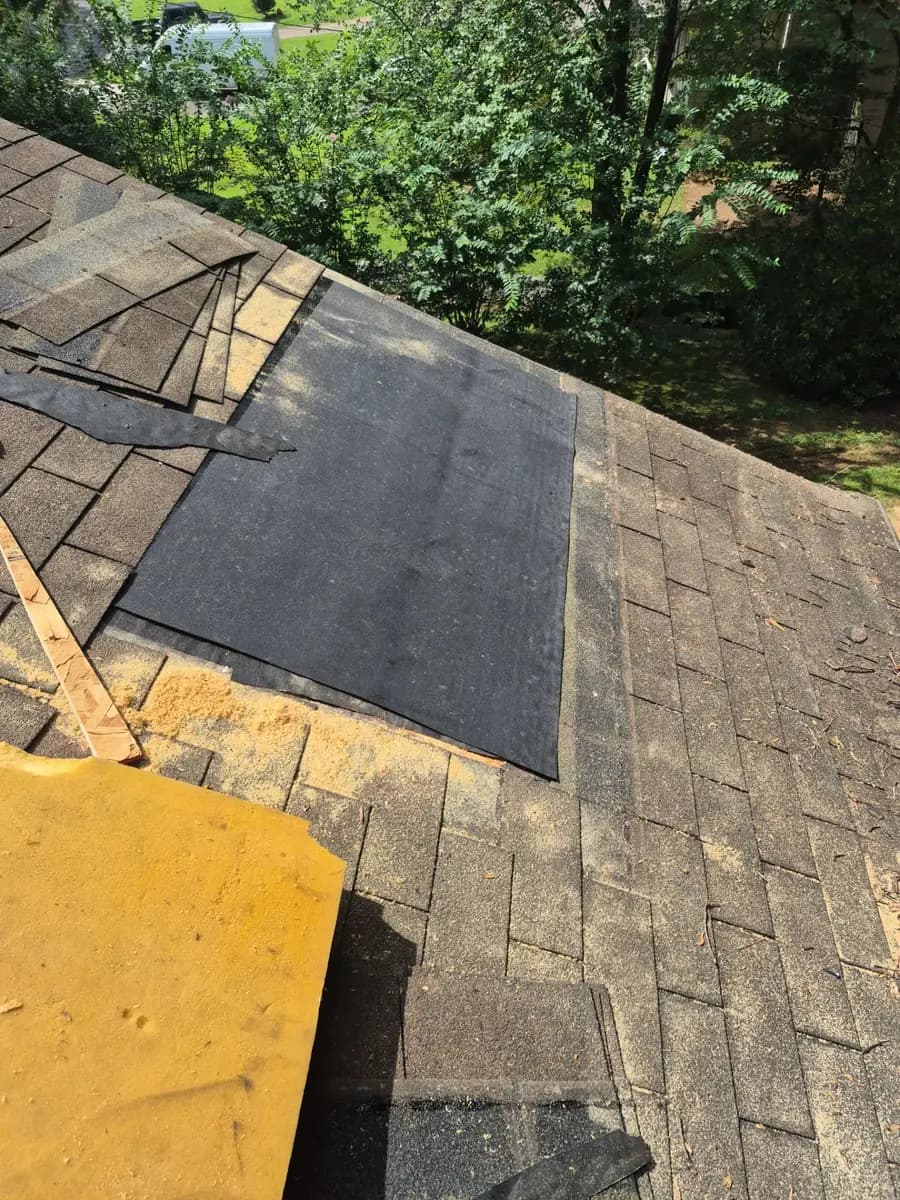
A squirrel does not need much. It will find a soft spot, or a gap the size of a golf ball, and chew it a little bigger. Raccoons are less subtle: they are strong enough to pull up a loose roof edge or tear apart a weak vent. Either way, they almost always start where something is already worn, loose, or rotted. These are the spots we check first.
Overhanging limbs. This is not an entry point itself, but it is how most squirrels reach the roof in the first place. Alabama Extension recommends keeping trees and branches at least 8 feet from the house, because squirrels can jump a surprisingly long way.
Soffit and fascia. The fascia is the trim board your gutter hangs on, and the soffit is the underside of the overhang. When a gutter overflows for a few years, that wood gets soft, and soft wood is easy to chew. The corners where two roof lines meet are the favorite spot.
Roof edge and drip edge. Along the bottom of the roof, the drip edge and gutter should close off the space between the shingles and the fascia. When the wood behind them rots, or the drip edge was never installed, there is a gap animals can work open from the gutter line.
Roof vents and ridge vents. Box vents and ridge vents are there to let your attic breathe, and they are made of plastic or fairly thin metal. Squirrels chew through the plastic ones, and a determined raccoon can pull a weak vent apart. For more on why those vents matter so much in our climate, see our article on why attic ventilation matters in Georgia.
Pipe boots. Every plumbing vent on your roof is sealed with a boot around the pipe. Squirrels like to gnaw on them, especially the older soft lead style. A chewed boot lets rain in even after the animal is gone.
Gable vents. The louvered vent high on the side wall of many North Georgia homes usually has a screen behind it. When that screen tears or rusts out, the louvers are easy to get past.
The chimney. An open flue is a perfect hollow tree as far as a raccoon is concerned. On the framed chimneys you see on most homes around here, a rusted builder-grade chase cover can also leave openings at the top.
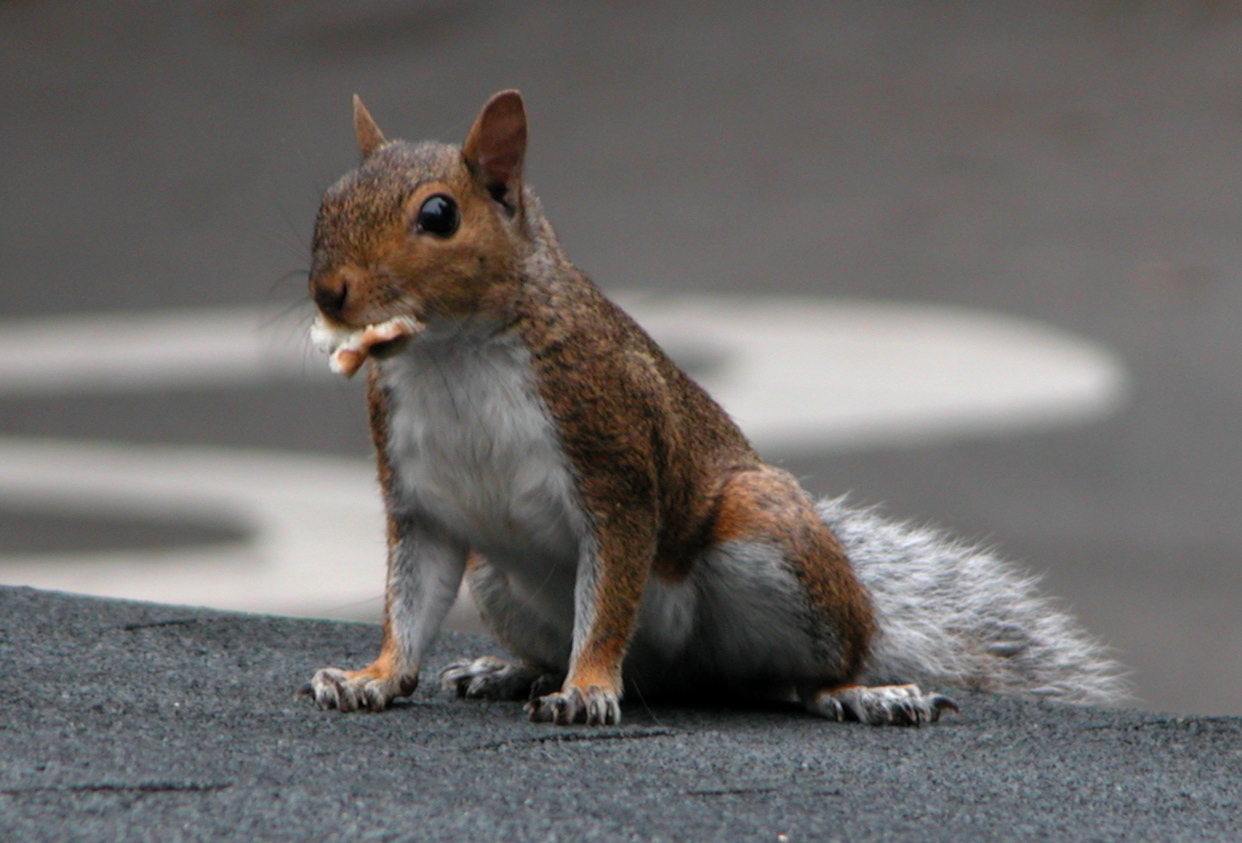
Photo: Ildar Sagdejev (Specious), via Wikimedia Commons (CC BY-SA 3.0). Shown to illustrate a gray squirrel on a shingle roof, where most attic visits start.
Signs You Have a Guest in the Attic
You usually hear them before you see any damage.
- Noise at the edges of the day. Squirrels are active in the daytime, so scratching and scampering early in the morning and late in the afternoon points to them. Raccoons are mostly nocturnal, so heavier thumps and walking sounds at night point to a raccoon. Georgia DNR notes that a raccoon with young in a den can often be heard "chattering."
- Gnawing or grinding sounds. Alabama Extension lists gnawing on wiring, pipes, and rafters among the common signs. Chewed wiring is the part that worries me most: Extension calls exposed wiring a potential fire hazard.
- Fresh holes or debris. New holes at the roof corners tend to show clean, light-colored wood, and chewed wood or shingle pieces often land in the yard.
- Nesting material in the attic. Leaves, shredded insulation, and nut shells near the eaves. Squirrels build leaf nests in attics, according to UGA Extension in Forsyth County.
- Sounds from the fireplace. Rustling above the damper or chirping sounds in spring often mean a raccoon is using the chimney.
- A new ceiling stain. If an animal chewed a pipe boot or pulled up a vent, rain follows. Our article on why roofs leak explains why the stain may show up a few feet away from the actual hole.
Who Does What: Wildlife Pro First, Then the Roofer
If animals are living in your attic right now, the first call is not to us. It is to a licensed wildlife removal professional.
Georgia DNR advises that raccoons should never be approached or handled, because they can carry diseases including rabies and raccoon roundworm. The state also says relocating nuisance raccoons is not an option, and that problems are best handled through a WRD permitted nuisance trapper. For squirrels, DNR recommends checking with a Wildlife Resources Division Game Management office to see whether a permit is required. Getting animals out of a house is a regulated job for people trained and permitted to do it.
The good wildlife professionals usually use one-way doors or exclusion funnels: the animal can leave but cannot get back in. Alabama Extension describes the same method, and stresses that the holes must be permanently repaired once the animals are out. That is where we come in.
The wildlife professional confirms the animal, makes sure no young are left behind, and handles the one-way doors or trapping. We repair the roof itself: the chewed fascia, the torn vent, the damaged pipe boot, the gap at the roof edge, the shingles a raccoon pulled loose.
Sometimes we find the damage first, during a fall inspection, before the homeowner has heard a thing. If there are signs that something is still living in the attic, we will tell you, take photos, and hold off on sealing until it has been cleared out. A trapped squirrel just chews its way out somewhere new.
How We Seal a Roof for Good
A quick patch with a scrap of wood or a can of foam rarely lasts. An animal that knows the way in will test the repair, and foam is no match for a squirrel's teeth.
We fix the wood, not just the hole. If the fascia or the roof decking at the edge is soft, we cut out the rotted section and replace it. Patching a hole in rotten wood only moves the hole six inches over. Our seamless gutter installation service includes fascia inspection and repair, because overflowing gutters are what rotted most of that wood in the first place.
We close gaps with metal. Alabama Extension recommends heavy hardware cloth or metal flashing for patching entry holes, and that matches what we have seen hold up over the years. Drip edge that was missing or bent gets replaced so the roof edge is closed off from the gutter line.
We replace damaged vents and pipe boots. A chewed vent or boot gets replaced, not taped. A new pipe boot is one of the most affordable repairs we do.
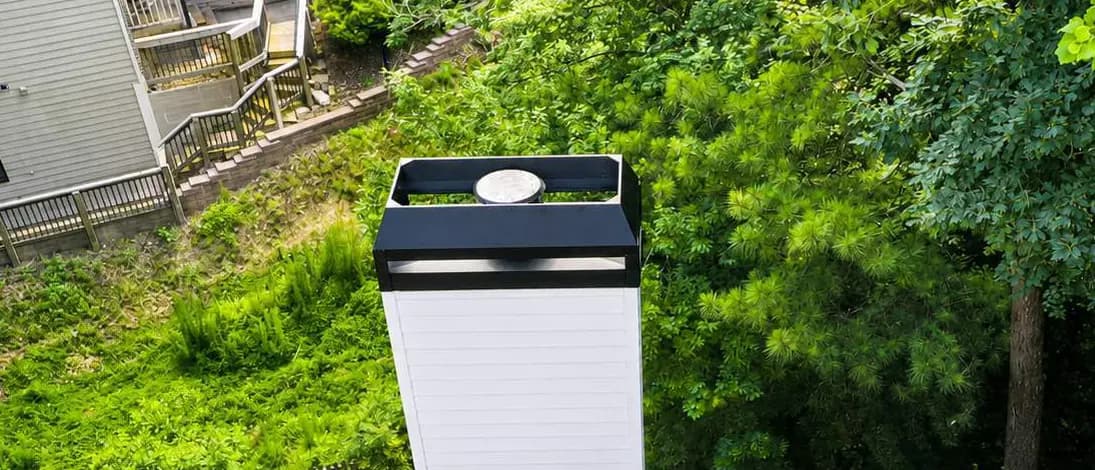
We cap the chimney properly. On a framed chimney, we can replace a rusted chase cover with a custom-fit chimney pan and shroud that includes animal and debris resistant screening around the flue. The Institute for Wildlife and Damage Management notes that a properly installed chimney cap helps keep wildlife out.
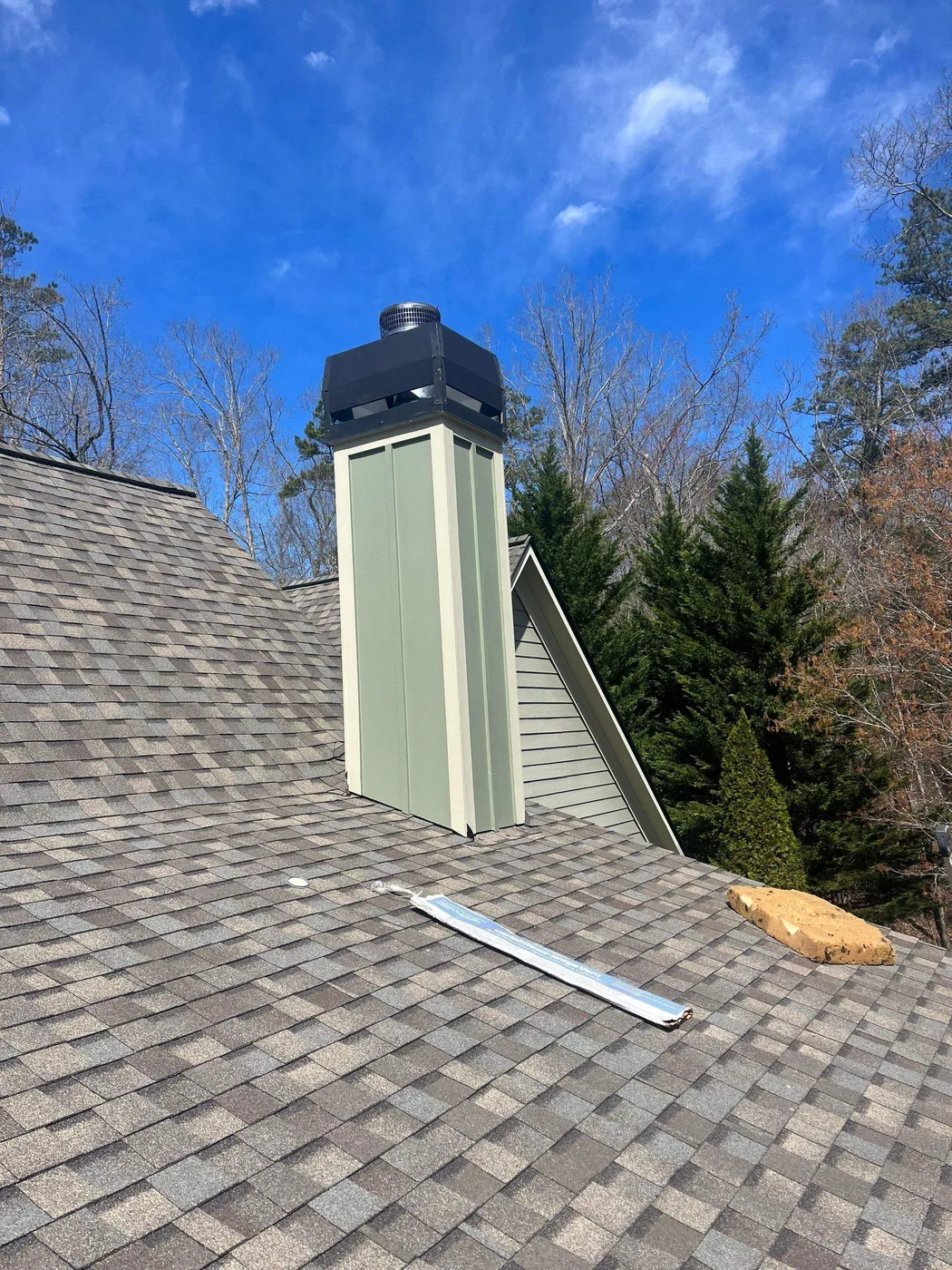
Photo: Platinum Roofing. A finished chimney shroud with a screened flue on a North Georgia home. The screening and overhang keep squirrels, birds, and raccoons from nesting in the chimney.
We check the whole roof while we are up there. If they chewed at one corner, we check every corner, vent, and boot, and show you photos of what we find. If you have had trouble around the fireplace before, our article on why roofs leak around the chimney goes deeper on that joint.
What the Repairs Usually Cost
Most animal damage we repair is small, as long as it is caught early. A pipe boot is usually $150 to $400. Most roof repairs in our area, including fascia sections, vent replacement, and flashing work, run $300 to $1,500 depending on how much wood is damaged and how hard the spot is to reach.
The expensive version is the one that waits. A hole that lets in an animal also lets in rain, and a winter of rain through a chewed vent or a pulled-up roof edge can soak the decking, the insulation, and the ceiling below. We would much rather do a small roof repair in November than a ceiling in March.
What You Can Do This Weekend
You can take away a lot of the welcome mat without a ladder:
- Walk the house and look up at the roof corners, fascia, vents, and chimney top.
- Plan to trim limbs within about 8 feet of the roof. A licensed arborist is the right call for big limbs over a house.
- Bring pet food inside and lid the garbage cans. Georgia DNR says pet food left outdoors is one of the most common causes of raccoon trouble.
- Watch the gutters in a rain. Overflowing gutters rot the fascia that animals chew through. Our article on how gutters protect your roof covers what to look for.
- Leave trapping to a licensed wildlife professional.
If you are already doing a fall once-over, our fall roof checklist for a North Georgia winter pairs well with this list.
Book a Free Roof Inspection
Late fall is the right time to find the soft spots and close them up, before the late-winter litters and before the steady winter rain. Call us at (770) 419-5714, Monday to Friday, 8am to 6pm, or book a free roof inspection online. We will check the fascia, vents, pipe boots, roof edge, and chimney, and you get photos of everything we find and a straight answer about what needs attention. If a wildlife professional has just cleared your attic, tell us when you call and we will get the repairs on the calendar. Here is what to expect from a free roof inspection. We serve Canton, Woodstock, Holly Springs, Roswell, Alpharetta, Marietta, Kennesaw, and the rest of our North Georgia service area.
Frequently Asked Questions
How do squirrels get into the attic?
Most squirrels reach the roof from an overhanging tree limb, then chew into a spot that is already weak: a soft corner of the fascia or soffit, a gap behind the drip edge, a plastic roof vent, a gable vent with a torn screen, or a pipe boot. Keeping limbs at least 8 feet from the house and repairing rotted trim takes away most of the easy routes.
When is the best time to seal my roof against squirrels and raccoons in Georgia?
Late fall into winter, roughly November through January. Gray squirrels in Georgia have litters in late winter and late summer, and raccoon kits are born in spring. In that late fall stretch, the summer squirrel litters have left the nest and the next litters are not born yet, so the animals can be moved out without leaving young behind, and the roof can be sealed before spring.
Does Platinum Roofing remove squirrels or raccoons?
No. Removing wildlife is a job for a licensed wildlife removal professional, and Georgia DNR handles nuisance raccoons through permitted trappers. Our job is the roof: once the animals are out, we repair the chewed fascia, vents, pipe boots, roof edge, and chimney cap with permanent materials so they cannot get back in.
Can animals damage my roof enough to cause a leak?
Yes. A chewed pipe boot, a torn roof vent, or a section of roof edge pulled up by a raccoon lets rain in the same way any other roof opening does. That is why we recommend repairing the damage soon after the animals are gone, before winter rain has time to soak the decking and insulation.
How do I know if it is squirrels or raccoons in my attic?
Timing is a good clue. Squirrels are active in the daytime, so you tend to hear them early in the morning and late in the afternoon. Raccoons are mostly active at night and are much heavier, so their sounds are louder thumps and walking. A wildlife professional can confirm it by checking the entry holes and droppings.
How much does it cost to repair roof damage from animals?
It depends on what was damaged. A pipe boot replacement usually runs $150 to $400, and most roof repairs in our area, including fascia and vent work, run $300 to $1,500. Our inspections are free, so call (770) 419-5714 or book online and we will show you exactly what we find with photos.

About the Author
Robert Shelby
Fourth-generation roofer who founded Platinum Roofing in 2000. Meet the Platinum Roofing team →